Categories
Professional-Organizer

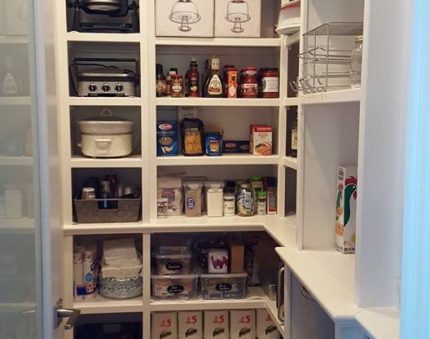
Declutter Pantry & Food Cabinets

Decanting Pantry Food


declutter

1. to remove mess or clutter from (a place).

2. to organize and prioritize (one’s commitments, material possessions, etc.)

3. to let it go

Declutter First, Organize Next. 

Pulling out what you no longer want is key to creating space and will make the organizing process smoother. Whether it’s clothing from a hanger, shoes from a rack, books from a shelf, paper from a filing cabinet, or toys from a bin, it’s time to make decisions on the things you are ready to let go. Focus first on decluttering. When the unwanted is out of the way, begin cleaning and organizing.

*** Read both steps before getting started, and choose how you will like to proceed. If you have a lot of food to go through and are limited on time, break the process up into the DECLUTTER step now and the CLEANING & ORGANIZING step later. ***

pantry_bella_organizing

Step One

Declutter the Pantry and Food Cabinets

  • Take a “Before” photo of the pantry or food cabinets.
  • Have on hand plenty of plastic trash or paper bags for 1) trash, 2) recycling, 3) compost 4) give away/donate items
  • Prep a bottle of all-purpose cleaner or mild soap, and a clean sponge or rag.
  • Grab a pen and pad of paper for notes.
  • One area at a time, pull out the old and expired food from the kitchen cabinets, pantry, refrigerator/freezer, even the emergency kit (make a list of what needs immediate replacement in the kit.) You may have heard that labels offer “suggested” expirations, but are you willing to take that chance?  
  • Compost expired food and recycle the packaging. If you have non-expired, non-perishable dry food you want to give away, set it aside in the “donate” bag. 
  • Make note of what you are buying too much of and prevent future waste.

Step Two

Clean and Organize the Shelves & Cabinets (can be done the same day or another)

  • If you didn’t already take everything out during the declutter process, do it one cabinet or shelf at a time. Place on a nearby table or countertop surface. Start sorting and place like with like. Your brain is making an important mental note of what you own.
  • Sort like items – soups, grains, beans, breads, snack foods, baking items, spices, breakfast items, drink (tea, coffee, cocoa, etc.) Keep like with like to find things faster and avoid buying duplicates.
  • Wipe empty food cabinets and pantry surfaces with a wet and warm, soapy cloth or all-purpose cleaner. Crumbs and goop accumulate over time, like on that bottle of honey. Keep ants and critters from sniffing out the goods and protect your cabinets with regular cleaning. Allow to completely dry before putting things away.
  • Put away like items together, labels facing forward when possible. Think “grocery store display.”
  • Take an “After” photo of your organized pantry & food cabinets.
Feel like getting a little more organized around the kitchen? Read up on how to make a Drink Zone.

Bella_Organizing_Best_Professional_Organizers_San_Francisco_Oakland_Berkeley_silicon_valley_montereyIsabella Guajardo, founder and owner of Bella Organizing, is a San Francisco Bay Area professional organizer offering home organizing, interior redesign, and residential move management services throughout the Greater San Francisco Bay Area. Call (510) 229-7321 or email info@bellaorganizing.com for more information. Gift certificates are available.

Follow our projects on: Facebook | TwitterInstagram | Houzz

Counties we serve:

Alameda | Contra Costa | San Francisco | Marin | Sonoma | Napa | Santa Clara | San Mateo | Santa Cruz | Monterey

Categories
Professional-Organizer

10 Ways to Get Organized – Resolution Time

Looking for a resolution? Here are ten practical ideas to get you organized all year long.

#1  Start a receipt file system

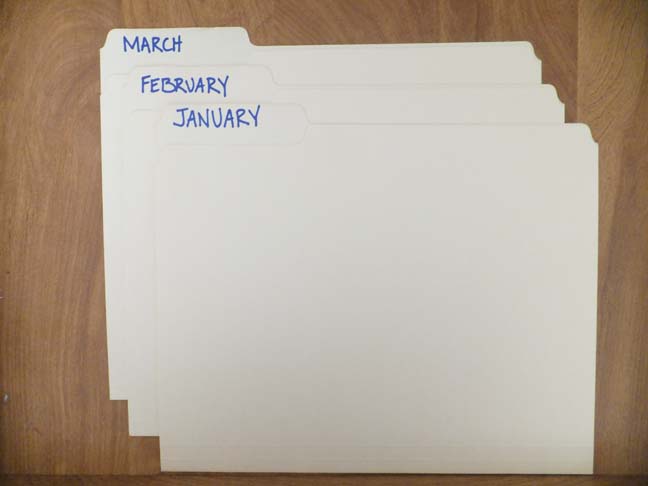
Whether you run a business from home or want to keep track of the household budget, having an organized receipt tracking system is vital to its’ success. All you need for a basic system is twelve pocket file folders, a marker, and somewhere to put the folders where you can see and easily access them daily. Label each folder tab with the months of January-December, and you have a home for receipts when they come out of your wallet or purse.

paper-organizing-file-folders

#2 Write down things you want to take action on

Print out and get started with the Bella Organizing Action-Plan-Template.

dates_steps-action

#3 Create a vision board

A vision board is a visual display of your life intentions, ambitions, and/or or goals that you make and hang in a place where you see it every day. It is also called a dream board, and vision map. It is a collage of images, pictures and affirmations of your dreams, goals, and things you want to make reality. If your goals are to start a business, get that job, find the right person, explore the world, etc., create a vision board to organize, visualize, and remember to take action toward them on a daily basis.

vision-board

#4 Use the buddy system

Many hands make light work. If you have help with a large task, you will be increasingly motivated to do it, and it will get done faster. Enlist a friend or two whose goals are like your own. If they are home organizing goals, pick a small area of each others house to work on together for a couple hours per week or month. Start with simple places like a bookshelf, the pantry, or linen closet. Then work your way up to bigger and more looming areas like the GARAGE. Follow my Six Simple Steps to stay on track.

buddy-system

#5 Take the piles you have been meaning to deliver to a donation drop-off

If you do not have a bag or box ready to go, make one. There is always more to declutter. Find a Goodwill drop-off location near you using the Goodwill store locator.

truckload-to-goodwill

#6 Start a system for incoming, active, and outgoing paperwork and bills

Don’t let bills and important correspondence go out of sight, out of mind. If not dealing with it immediately, create a specific area where you place and see it daily, such as in a desktop file box. All you need are a few labeled hanging file folders and you are ready to begin. It will be a nice compliment to your new receipt filing system, the folders of which can be placed in here.

TIP: Make the front hanging folder your BILLS file. Stand bills upright in the file if they are still due. Make the back hanging file your TO FILE folder, meaning bills and correspondence has been dealt with and are ready to be filed away in the long-term file cabinet. Additional tab labels can be TAX DOCUMENTS, TO READ, etc. Customize to your needs and lifestyle.

Available at Office Max
Available at most office stores – some comes complete with hanging folders and tabs

#7 Deal with clothes and linens right out of the dryer

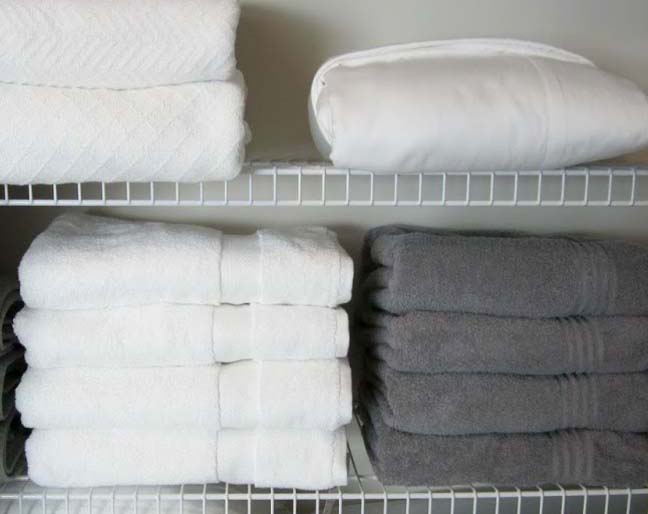
Wrinkles are easiest to smooth out when clothing and linens are warm and fresh from the dryer. Towels and sheets fold flatter, take up less space, and look nicer in the linen closet. Clothes are less likely to need an additional ironing or steaming. Striving for that picture-perfect Martha Stewart linen closet? This is the closest you will get without hiring a display professional. And you look much better without wrinkles in your clothes. Make it habit to neatly fold and hang laundry as soon as its done.

linen-closet

#8 Stop junk mail before it stops you

Recycle junk mail immediately by placing a recycle bin along the path you normally walk from the mailbox into the house. If mail comes through a slot in the door, look through it over your kitchen recycle bin before setting it down anywhere. Recycle junk mail from your PO BOX before you leave the post office. Practice will soon become habit. Go a step further into junk mail prevention by getting off mail and catalogue lists. Find out how at Catalog Choice.

junk-mail

#9 Learn how to use an online calendar

Set aside time to log in and get to know an online calendar system such as google calendar, and link it to your computer desktop and/or smartphone. Call or visit your service provider for help with syncing an online calendar to your smartphone or using the one installed on it. For a list of free online calendars and their many uses, visit http://freebies.about.com/od/online-calendars/tp/free-online-calendars.htm

google-calendar

#10 Start using your smartphone note pad for grocery and reminder lists

Do away with  pieces of paper in your pocket and always have notes handy on your phone. Problem solved when you cannot find a pen and paper to write something down. No more leaving the to-do list at home…unless you leave your phone at home. But how often does that happen?

note-pad-list
Bella_Organizing_Best_Professional_Organizers_San_Francisco_Oakland_Berkeley_silicon_valley_monterey

Isabella Guajardo is a San Francisco Bay Area professional organizer offering home organizing and residential move management services throughout the San Francisco Bay Area.

Categories
Professional-Organizer

Three Simple Steps to Downsize & Minimize

Downsizing in preparation for a move is not an easy task. It can be challenging to let go of something you own, especially if you paid good money for it, inherited it from a loved one, or if it’s meaningful memorabilia.

The fact is that it takes time and money to pack and move personal belongings. If you haven’t been using it, should you spend hard-earned money to transport or store it?

Photo of Bella helping a client haul away years of clutter
Loading donations

“Getting started early and chunking the process and down sizing into steps was very valuable. It was essential for us since we are working in demanding jobs and tried to minimize time off, but the extended process also served to help emotionally with letting go of things over time and seems much healthier and realistic.”

– D. and B. successfully downsized from a 3,500 sq. ft home and 20 years of accumulated stuff that completely filled it, and simplified into a 1,500 sq. ft high-rise condo with floor to ceiling windows and very little storage space.

Three Simple Steps to Downsize & Minimize:

1) Set a solid schedule of daily, weekly, or monthly purging sessions. 

We recommend starting the downsize process a few weeks to a few months before your moving date depending on the size of the home you’re moving out of/into, your availability, and physical abilities. Set a schedule and stick to it, working your way around the house one room at a time. Don’t stop once you get to the new place. Keep monthly or quarterly declutter appointments with yourself on the calendar. A little at a time goes a long way.

2) Let go of the easy stuff first.

Books you never read, clothing you haven’t worn in over two years, pieces of furniture you never liked or that aren’t absolutely necessary at the new place. Whatever you do, keep the time-consuming and emotionally draining stuff for last…paperwork, photos, memorabilia…put these things aside and get back to them later when you’ve dealt with easier things and created room to breathe.

3) Recruit a trusted friend.

If it is overwhelming to tackle a downsize project on your own, ask for help. Whether a trusted friend, neighbor, or an experienced professional organizer, it’s important that this person have a patient and non-judgmental personality. Downsizing is a team effort. Choose someone that will keep you motivated to stay on schedule and moving forward.

Take downsizing one step at a time for a healthier experience, and learn to become comfortable with the process of letting go; it truly has a lasting effect and higher rate of success in moving toward a simplified lifestyle.

Book Recommendation: The Stuff Cure – a proven method to unstuff your excess, organize what you keep, and regain control of your life.

Isabella’s favorite project for which Bella Organizing provided downsizing, packing, and move management services:

Berkeley Hills – Downsizing and packing author Alice Walker in preparation for the sale of her Berkeley home 

Isabella Guajardo has provided professional home organizing and residential move management services since 2007. She has worked with hundreds of individuals and families from all walks of life including single mothers, public school teachers, college professors, lawyers, doctors, Pulitzer Prize winners, and CEOs of Fortune 500 companies. The thing 90% of them had in common? They had too much stuff and needed to downsize. Bella Organizing helps them tackle and reach that goal.

Categories
Garages Professional-Organizer

Tips to Get the Garage Organized

Fremont, CA Garage

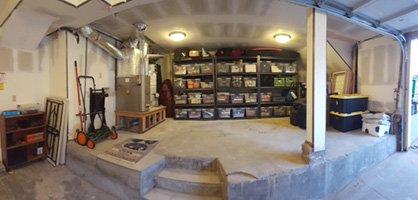
One of the toughest areas to get and keep organized is the garage. It is a catch-all and living “to-do” list. A multipurpose nature coupled with being out-of-sight, out-of-mind makes a garage prone to clutter. No space could be more useful when utilized well.

Perhaps you’re ready to hit the slopes and want to get on the road without having to dig through piles to find the cold-weather gear. Or you have a special project in mind but never get to it because you lack the space to work. Read our tips on the blog for ways to get and keep the garage organized, and you’ll be on the way to having a functional storage and work space roomy enough to throw a dance party in. 

If after reading, you still feel like there’s too much to do, give Bella Organizing a call. We’ll get the garage de-cluttered and set up in no time.

San Ramon, CA Shelf Installation

Garage Organizing Tips

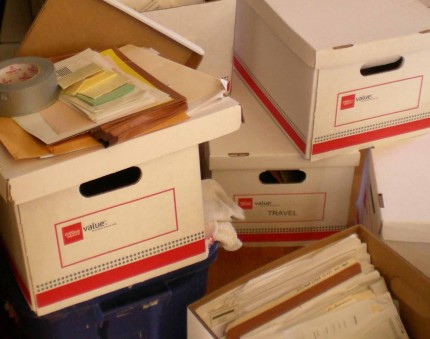
Don’t let cardboard boxes and packaging stockpile in the garage. Many people say they want to keep packaging in case a recent purchase needs to be returned, repaired, or for when they move. If you value your space, recycle product packaging immediately after its return or repair insurance date expires. If you one day need a box for it, you can get an equivalent at a local hardware or office supply store, or free from a supermarket or Craigslist. Your personal space is valuable, don’t clutter it with packaging you only anticipate needing.

Sweep the garage once a week. Each go-over will pick up a little more left over from last time. This is a great way for kids to earn allowance. Have a garage-sweeping checklist clipped on the wall to follow when taking out the trash and mark when done.

Keep things off the floor. Critters love dark, cozy places. Prevent piles on the floor and other exposed surfaces to keep pests from returning to make your favorite things their love and poop nests.

Use heavy-duty bins with secure lids to store your most valuable items. Rodents LOVE eating through cardboard to poop on your precious photos of grandma, and the next rain can’t wait to deliver moisture to your memorabilia and start a mold and mildew party. Secure your stuff in solid bins that cannot be penetrated in a garage, attic, basement, or other space that is exposed to the elements.

Create and honor zones. Automotive supplies, recreational gear, holiday decorations, tools and hardware, cleaning supplies, emergency preparedness kit, memorabilia. If you have trouble getting organized, creating and honoring zones will make a HUGE difference in your ability to find what you need and prevent you from buying duplicates.

Oakland CA Garage / Workshop

Ready for more? Call (510) 229-7321 today to schedule a complimentary estimate for your garage, attic, basement, or other storage space. Gift certificates are available.

Categories
Professional-Organizer

How To Make A Home Inventory

According to a recent survey from the National Association of Insurance Commissioners (NAIC), more than half of Americans don’t have a home inventory of their possessions, putting them at risk for inadequate home insurance coverage.

  • Survey results show 59 percent of consumers have not made a list or inventory of their possessions. Of those individuals with a home inventory, 48 percent do not have receipts; 27 percent do not have photos of their property; and 28 percent do not have a back-up copy of the inventory outside the home.
  • 59 percent of people with inventories have not updated their inventories in more than a year, meaning new purchases and gifts may not be covered.*

In the event of a burglary, fire, or other disaster, a home inventory can help account for stolen and damaged items. It makes the renter’s and homeowner’s insurance claims process easier, faster, and helps ensure that you receive a fair settlement from your insurance company. At tax time, a home inventory provides documentation to support tax-deductible property losses.

How to create a home inventory in 5 easy steps:

1. Contact Your Renter’s or Homeowner’s Insurance Companypaper clutter

Call and ask what information they require to file a claim, and for specific reimbursement requirements.  Tell them you are getting organized with your home inventory list and that you want to be prepared. Ask for written information or online links to their website regarding their claim process. Don’t be afraid to ask about “what if” scenarios.

2. Choose the Documentation Method

Print a free home inventory worksheet by Real Simple to get started. Or create your own using GOOGLE DOCS to make your digital updates and printouts fast and easy. Include photos whenever possible.

  • The more information you gather now, the less you will have to search for later.
  • Make several copies (digital AND hardcopy) and keep them in different locations. For example: store one hardcopy at a friend or neighbor’s house, one at work, and send one to an out of town relative. If using Google Docs, updates you make will automatically be reflected in links made available to friends or relatives.
  • If you create a a digital inventory in WORD or EXCEL, be sure to put copies of the file in multiple places, such as on thumb drives in different locations, in a safe deposit box, and in cloud storage. For easy cloud storage, send an email to yourself and your trusted loved ones with the home inventory list and low-resolution photos as an attachment.
  • Know Your Stuff is a free digital home inventory service provided by the Insurance Information Institute. Know Your Stuff walks you through each step of the home inventory process and stores your inventory online. They also have an app, where you can modify your home inventory and add photos. If you want to trust a company with keeping your home inventory, it is a great resource.

3. Create Your Home Inventory List

As you create an inventory, move through the home room by room. Include the garage, attic, basement, and additional storage rooms and closets. When in doubt whether or not something you own should be part of your home inventory, include it. Make sure to include both common and collectors items, such as:

  • Appliances (small and large)
  • Artwork (everyday and collections)
  • Bedding
  • Clothing, Shoes, Purses, and Accessories (that $500 pair of Jimmy Choo shoes?)
  • Collector’s Items (misc.)
  • Dishes (everyday, occasional, crystal, etc.)
  • Electronics (desktop computer, laptops, iPads, iPods, cell phones, stereo equipment, televisions, etc.)
  • Furniture (sofa, tables, chairs, beds, dressers, etc.)
  • Jewelry (costume and high value items)
  • Media (books, digital and analog music, family movies, etc.)
  • Stamp and Coin Collections
  • Sports Equipment (bikes, ski’s, snowboard, hockey gear, etc.)
  • Tools and hardware (in the home, garage, workshop, art studio, etc.)

4. Add Details

The more details included in your home inventory, the smoother the claims process should go. Start gathering and collecting receipts for high dollar items so that the claims department will have little argument as to when an item was purchased and for how much. Keep original receipts and appraisals (including hard and digital copies) with your inventory lists.

Along with a general description, take photos and/or video, especially of the high value items. Note the date of purchase, serial number, make and model number, and unique identifying features. Details can help your items be recovered if stolen, and replaced if damaged beyond repair. For example: my beloved silver and turquoise bracelet I got from New Mexico has 10 small oval turquoise stones and a small engraving of an eagle with wings.

Once you’ve completed the home inventory, share it with your insurance agent, who can advise whether your  coverage is adequate, and make adjustments as necessary.

5. Maintain Your Home Inventory

Maintain your inventory list when you add or take away items from your home to ensure everything stays up to date. Make notes on your written hardcopy, or type changes on your main digital copy. Date your changes. Then make it an annual task, such as during Spring-cleaning, to perform updates to all copies in all locations.

Not a perfect record keeper? If you forget to keep things updated during the year, simply walk through your home with the list and add to or cross out things on your inventory. Practice makes improvement when it comes to maintaining your home inventory.

* Source: rmiia.org

Ready for more? Call (510) 229-7321 today to schedule a complimentary assessment to get your home inventory in order. Gift certificates are available.

Keep up with Bella Organizing on Facebook and Instagram.