Categories
Professional-Organizer

Declutter Mail & Email Lists

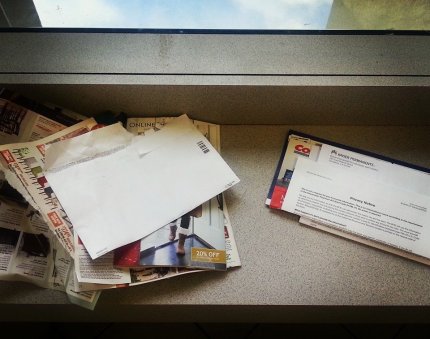
Are paper catalogs, credit card offers, donation requests, and junk ads cluttering your mail box? Are email and newsletters tormenting your inbox? It’s time to get removed from mailing lists.

Step One 

Get off email lists 

  • Go to your inbox. Find email from companies you want to remove from your inbox permanently. Scroll to the bottom of the email, click the “unsubscribe” link, and follow steps to be removed. By law, companies must include this link at the bottom of marketing email. If they do not include a link, go to the company’s website and follow procedures to unsubscribe. Contact the company by email or phone if an easy way to unsubscribe through the email or their website is not available.

Step Two 

Get off paper mail lists 

  • Gather junk mail from around the house.
  • Visit Catalog Choice for information on how their program gets your name and address removed from marketing lists or download the Paper Karma mobile app and snap away, then recycle or shred the junk mail.
  • Respond to Privacy Act inserts in billing statements. Companies include these to inform consumers of their rights and are a great way to opt out of information sharing which leads to more junk mail.
  • Select the best “Opt–out” registration method that meets your needs. Register with the Direct Marketing Association or Mail Preference Service. Registered names are placed in a “do not contact” database.
  • Enter opt-out requests for deceased family members. Use the same procedures as above to submit the request.
  • Contact major credit reporting bureaus (TransUnion, Equifax, and Experian) directly to be removed from credit card offer lists.
    • TransUnion – (888) 567-8688, Name Removal Option, P.O. Box 505, Woodlyn, PA 19094
    • Equifax Options, Marketing Decision Systems,(888)567-8688; Equifax Credit Information Services Inc., P.O. Box 740241, Atlanta, GA 30374
    • Experian Marketing Lists – (402) 458- 5247, Experian Consumer Services, West Bond St., Lincoln, NE 68521
    • To opt out permanently all at once, go to optoutprescreen.com or call 1-888-5-OPT-OUT (1-888-567-8688) to start the process.

Step Three 

  • Be patient for the mailings to decrease. The process can take a few months. After this time, you will notice a sizable decrease in pre-approved offers, flyers, and magazines flooding your mailbox. Unwanted email should stop immediately.
  • Prevent getting on lists in the future. When making online purchases for which you include a mailing or email address, you are often opting in to the company’s newsletters and special offer mailings. If you want to avoid this, carefully uncheck boxes that give the company permission to place you on their list. When you accept a credit card offer or make a donation to a cause, your name and address often gets sold sold to marketing lists, and more offers come rolling in. While opening new accounts or donating to an organization for the first time, stress to them how you do not want your information shared with marketing lists and if you prefer email to paper correspondence about your donations.

Follow these steps and you will be free from unwanted paper and email clutter.


Bella_Organizing_Best_Professional_Organizers_San_Francisco_Oakland_Berkeley_silicon_valley_monterey

Isabella Guajardo, founder and owner of Bella Organizing, is a San Francisco Bay Area professional organizer offering home organizing and residential move management services throughout the Greater San Francisco Bay Area. Call (510) 229-7321 or email info@bellaorganizing.com for more information.
Categories
Professional-Organizer

Declutter Paperwork

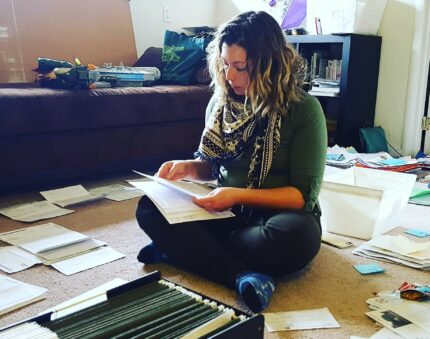
Paperwork organizing can be challenging, but it doesn’t have to be. Take control of paperwork and deal with it as soon as you walk in the door.

For today’s paper decluttering task, choose paperwork that challenges you most, the stuff you’ve been holding off on for a while and letting pile up. You don’t need to worry about organizing it to perfection today, the goal for the day is declutter – GET RID OF – what has no business in your home. And after today, don’t let it enter your life again. 

Here’s How

  • Recycle paperwork as soon as you enter the house with it. Go straight to the recycle bin and drop in whatever you don’t need. Toss in that junk mail. Open mail and immediately recycle envelopes and inserts, this way you filter out most paper clutter before it hits a surface.
  • Immediately place bills and correspondence on a designated work area, such as you desk or a command center you work at regularly, instead of on the kitchen or living room table. Is the kitchen or living room your work area? Oi vey! Work on creating an alternative paperwork space if your goal is to keep these areas free of paper clutter.

I’m concerned about my name and address going into the recycle bin, so I tear off and shred it. I also have an identity theft protection rubber stamp that I use at my desk, like this one pictured from Solutions.com ~ you can also get it on Amazon. Or simply use a black marker.

Identity Theft Protection Stamp

If you receive a lot of junk paper, go a step further and have Catalog Choice or Paper Karma get you off mailing lists. You’ll receive less paper mail, which means less clutter to deal with later.

How I handle paperwork at Casa Bella.

Each day I sit at my desk for 15 minutes and file away what little I actually need to keep and shred or recycle the rest. 15 minutes per day works miracles!

I use a cork board on the wall in front of my desk to pin small notes and important reminders. I take down and recycle weekly anything that no longer applies. Here’s an example of a cute DIY cork board from Apartment Therapy, with a link to how to make one yourself.

corkboard paperwork organizing
DIY Corkboard from Apartment

Get it off the desk, but don’t let bills and important correspondence get out of sight, out of mind. Create a neat place where you can see and access bills daily, such as standing upright in a desktop file folder, or pinned to a cork board on the wall by your work area. Highlight or circle due dates on bills.

desktop_file_paperwork_organizing_bella
Desktop file holder from Containerstore.com

It’s a good idea to keep

  • Adoption paperwork, birth certificates, marriage license, divorce documents
  • Car titles, repair and maintenance receipts.
  • Personal identification, social security statements.
  • Educational degrees and certifications.
  • Home improvement paperwork and receipts.
  • Insurance documents for current policies.
  • Medical receipts and reports.
  • Warranties and manuals you cannot find online.
  • Receipts for high value home or office furniture, computers, electronic equipment, household goods, art, anything you may one day want to sell or may need for value reference in the case of a home or renters insurance claim.
  • If you’re holding onto department store receipts in case you need to make a return, and the return date is expired, do you still need to keep the receipt? Probably not.
  • Tax documents. When the year is up and it does not need to live in my active files, I store tax documents with that years tax return in a closet designated specifically for this kind of storage.

More ways to prevent paper pile up

  • Go paperless wherever you can.  NOW is the time. Get online and learn how to receive statements, bills and receipts via email. Learn how easy it is to download and store them on your computer as a digital document. If you ever need a paper copy, simply print from your digital storage file. Banks allow you to log onto your account and glance at your statements from years back. So convenient! Consider going paperless with one or two minor bills. If this works for you, do more. A little at a time steadily builds great paperless bill-paying habits.
  • Don’t sign up for notices and special offers via paper mail. When ordering online, do not check boxes that allow the business to send you paper mailings. It’s easier to remove yourself from email than mailing lists.
  • Download the Stop Junk Mail Kit created by the Bay Area Recycling Outreach Coalition for numbers to call and websites to visit to be removed from Direct Marketing lists, Credit Card offer lists, Sweepstakes, Shopping Flyers, Junk Faxes, Catalogs and more.

We have individual needs to consider when it comes to dealing with paperwork. For this reason, I suggest consulting with your CPA or legal advisor about what you should be keeping vs. recycling. From my own home office and that of clients I have worked with over the years, what I have found is this: we are quite more similar than different. So do not feel alone with your paper clutter. Deal with it at least 15 minutes a day. If you’re not going to hire a professional organizer or personal assistant to come in weekly and do it for you, learning to self-maintain is key. Like good habits, getting organized with paperwork is something that can be learned.

Bella_Organizing_Best_Professional_Organizers_San_Francisco_Oakland_Berkeley_silicon_valley_montereyIsabella Guajardo, founder and owner of Bella Organizing, is a San Francisco Bay Area professional organizer offering home organizing, interior redesign, and residential move management services throughout the Greater San Francisco Bay Area. Call (510) 229-7321 or email info@bellaorganizing.com for more information. Gift certificates are available.

Follow our projects on: Facebook | TwitterInstagram | Houzz

Counties we serve:

Alameda | Contra Costa | San Francisco | Marin | Sonoma | Napa | Santa Clara | San Mateo | Santa Cruz | Monterey

Categories
Professional-Organizer

Declutter the Kids Room

declutter

  • to remove mess or clutter from (a place)
  • to organize and prioritize (one’s commitments, material possessions, etc.)
  • to let it go

I work with parents every week to tackle clutter in the kids room and around the house. Some parents have rules for a dedicated toy storage space, such as the kids room or playroom, but most homes I visit have a naturally evolving system of everything everywhere… toys, books, shoes, backpacks in the living room, on the kitchen table, under mom and dad’s bedsheets. I’ve seen it all…

A little before we get started:

Kids_Room_declutter_organize
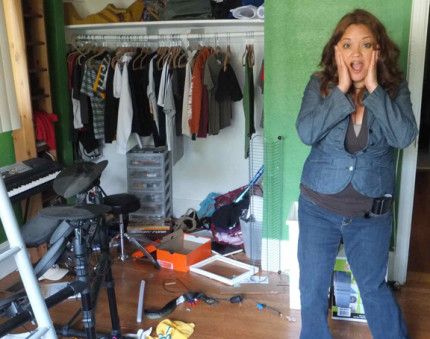
This parent gave the birthday gift of an organized room to his teen son. What a great dad! Here I am in the “Before.”

Why does the kid stuff get out of control? Common answers:

  • Parents plan to have another child soon and want to save everything to reuse (makes total sense!)
  • Parents want the most for their kids
  • Grandma wants the most for the grandkids
  • Friends of the parents want the most for their friend’s kids

Everybody is so giving! 

There comes a point when enough is enough…

How much is too much with toys, books, clothing, artwork, and memorabilia? The answer lies within YOU, parent or guardian. Here’s a hint: the less there is, the less you have to clean up, sort through, put into storage, and the easier it will be to find things.

kids_room_declutter_organize
Here I am celebrating in the “After.”

Wouldn’t it be wonderful if the kids simply picked up after themselves?

Unfortunately the littles can only do so much on their own.

Helen Neville, a pediatric advice nurse at Kaiser Permanente for 35 years, gave an Ages and Stages in Early Childhood Development workshop that brings things to light. She specializes in inborn temperament and authors Is this a Phase? Child DevelopmentParent Strategies Birth to 6 Years, and other books on temperament, sleep, and potty training.

Q&A with Helen Neville

Question: At what age is it best to help kids clean their room?

Answer:  Clean up with them ages 2-5. You have to help and make it fun and interesting.

Question: At what point is it easier to get kids to give up toys without being hurt by it?

Answer:  3-5 year olds forget what’s important to them, which can include toys. A 2-year old won’t care to lose toys, a 6-year old may start to miss them.

Grab the kids! It’s time to get their room in order. 

Step One 

  • When working with a child to declutter toys and books, tell them about places they can donate to kids in need, such as to homeless shelters and toy drives. Pick a place to donate together and follow through with it. ‘Tis always the season to give give give away!
  • Tackle clutter with the kids for as long as their attention can be held, they are having fun, and being productive with you.
  • Kids (as do adults) can get overwhelmed by choice. Allow them to make decisions on what to keep and what to donate for only a few things at a time. When their interest starts to wane…

Step Two

  • Set them free! Don’t get frustrated. It’s up to you, parent or guardian, to continue sorting, decluttering, and putting things away.
  • Put excess toys into labeled bins and store in the garage for 3 months. What the child remembers and asks for, bring out. What they forget, donate.

Tackle kids clutter on a regular basis. Downsize a little at a time together and instill great habits in everyone. Do not give up. Your kids clutter is your clutter. Set a regular schedule, find balance with the amount of stuff you are willing buy/accept/store/donate, and turn challenges into successes.

Prevent and Take Action on Toy Clutter

  • At your child’s next birthday party, make a themed gift donation box that everyone attending knows about in advance. Gifts received will go directly to charity, such as school supplies to a classroom in need.
  • What we hold off as a reward can be what kids are motivated toward. Find creative ways to get your child to let go of excess toys often, such as making it a house agreement during the weekly family meeting to only allow in a new toy or book if one or two goes out.

Bella_Organizing_Best_Professional_Organizers_San_Francisco_Oakland_Berkeley_silicon_valley_monterey

Isabella Guajardo, founder and owner of Bella Organizing, is a San Francisco Bay Area professional organizer offering home organizing and residential move management services throughout the Greater San Francisco Bay Area. Call (510) 229-7321 or email info@bellaorganizing.com for more information. Gift certificates are available.

Categories
Professional-Organizer

Declutter the Wardrobe Closet

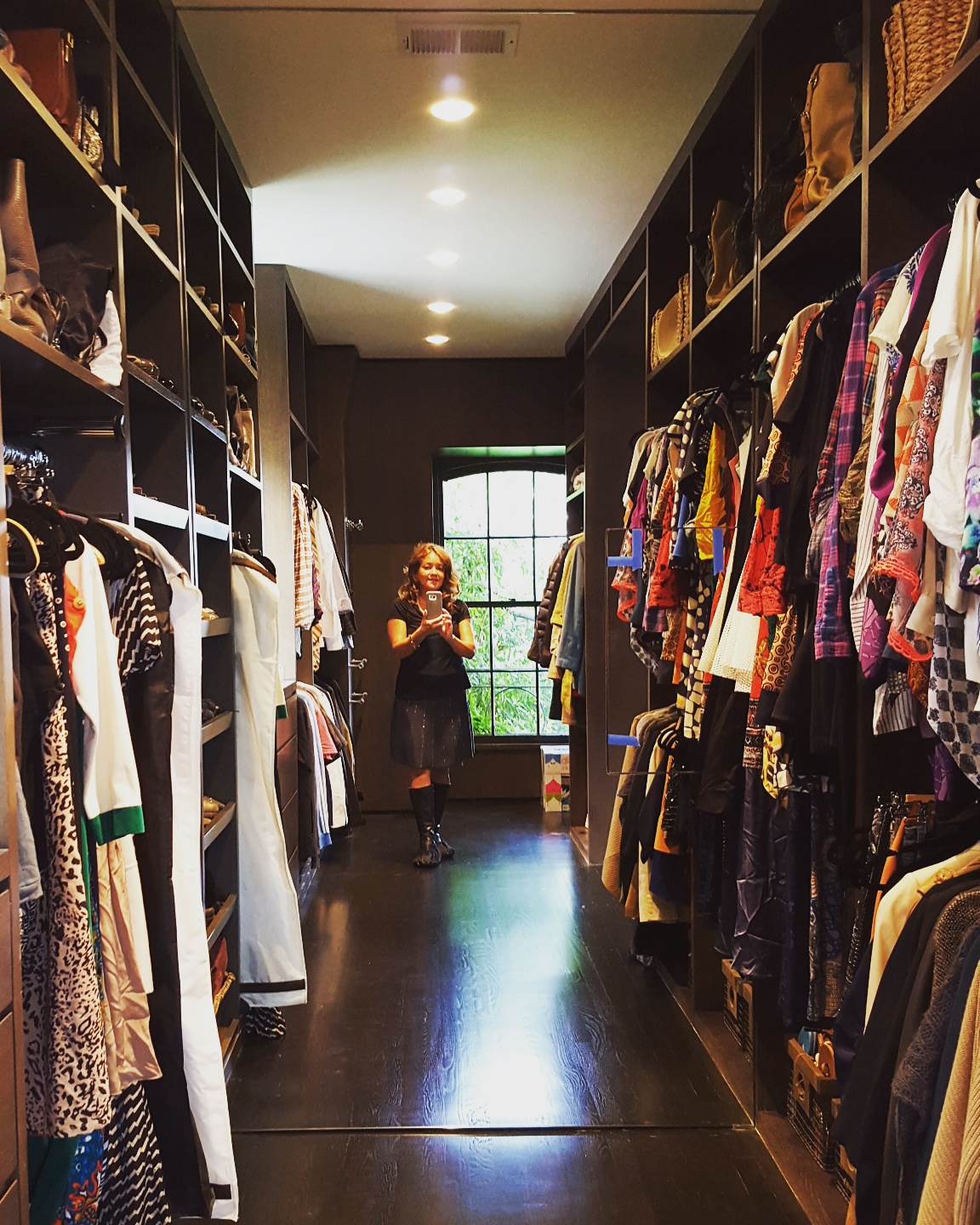
Say farewell to what you don’t need and magically create space that makes cleaning, organizing, and finding things easier.

When I acquire clothing, I have a rule to let go of as many as I bring in to make room for the new and stay uncluttered. I reinforce this rule by only owning a certain number of hangers (I hang 90% of my clothes.)

Let it go when:

  1. It’s been worn to the point that it is fading, pilling, stretching, or tearing. Why stroll around in public with a t-shirt that’s old and raggedy? The two old t-shirts I own are for gardening and dying the hair. If there’s something waiting to be mended and it’s been waiting a long time, it’s time to get it done or let it go.
  2. It has not been worn for an entire year. If a piece of clothing has not bedazzled the body over the last winter, spring, summer, nor fall, it likely never will. This includes those “skinny” clothes; the things we keep telling ourselves year after year that we will fit back into someday.
  3. It is no longer your color, size, or style. Why wear something and get annoyed every time you put it on? Not your color? Not tailored for your body? Just a little too tight or baggy? If it doesn’t make you feel fabulous or fit just right, are you ready to take it to the tailor and pay to get it fixed?

“Well…I kinda like it…but….”

Let’s get started…

Step One – Declutter the wardrobe closet & dresser drawers

  • Prepare a nearby surface on which to place clothes. A clean, made bed will do.
  • Have on hand plenty of trash or paper bags for donations or items to consign.
  • Prep a bottle of all-purpose cleaner or mild soap, a clean sponge or rag, broom, and mop or vacuum cleaner.
  • Grab a pen and pad of paper for notes or use the notepad on your cell phone.
  • Go through the hanging clothes and immediately remove the absolute “must go’s” first. Put what you no longer want in bags marked for “Donations” or “Consignment/Sell” bags. Leave hanging what you want to keep. Set aside the “maybe’s.”
  • Try on the “maybe’s” if you have time. If you cannot decide now, re-assess them again in a few months.
  • Do the same for clothing on shelves and those that have toppled to the ground. Go through dresser drawers and anywhere else you keep and store clothing, socks, and undergarments. Purge the old, worn, and unwanted. If you need help seeing the truth about the condition of something, call in a friend, housemate, or family member for assistance.

Step Two – Clean

  • Clean inside the closet and dresser drawers and sweep, mop, or vacuum while you’re here. So many dust bunnies! Dust is made up of dead skin cells, pet hair, pollen, and dirt you’ve trekked in on your shoes from the outdoors, amongst other things.

Step Three – Hang, Fold, and Organize

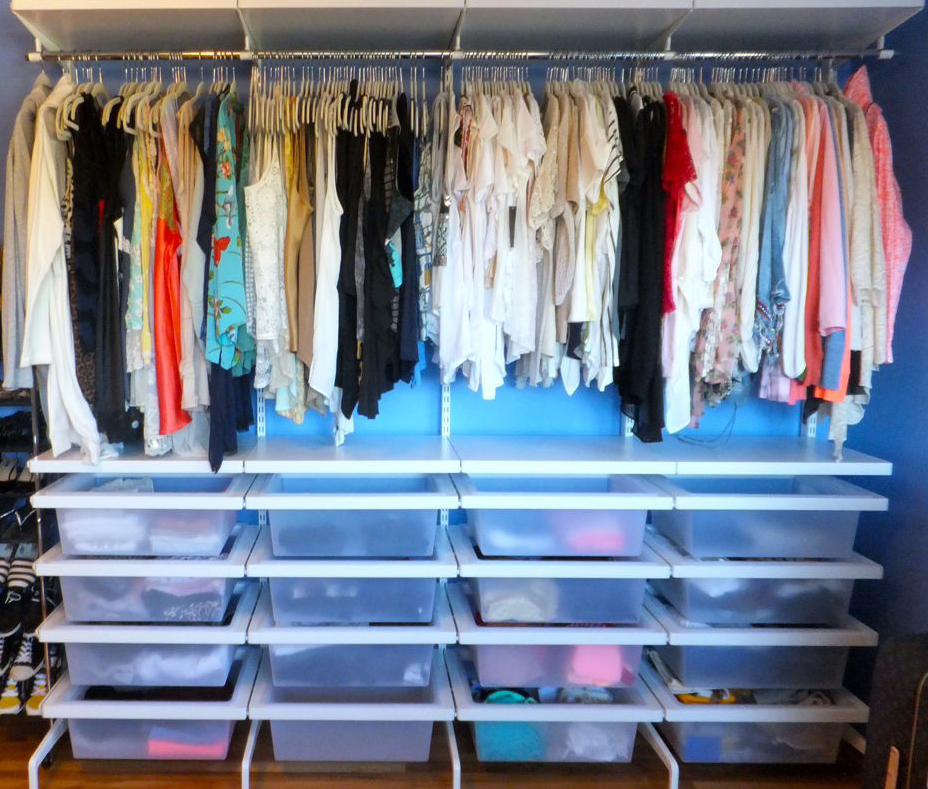
  • Hang as many clothes that comfortably fit into the closet. This includes tank tops, workout tops, and lingerie if there’s room and enough hangers. Hanging keeps things neat, wrinkly free, in sight, and easy to access. Arrange clothes like with like and in order: tanks (toward the front), sleeveless, short-sleeve, long-sleeve, sweaters, jackets (toward the back,) etc.
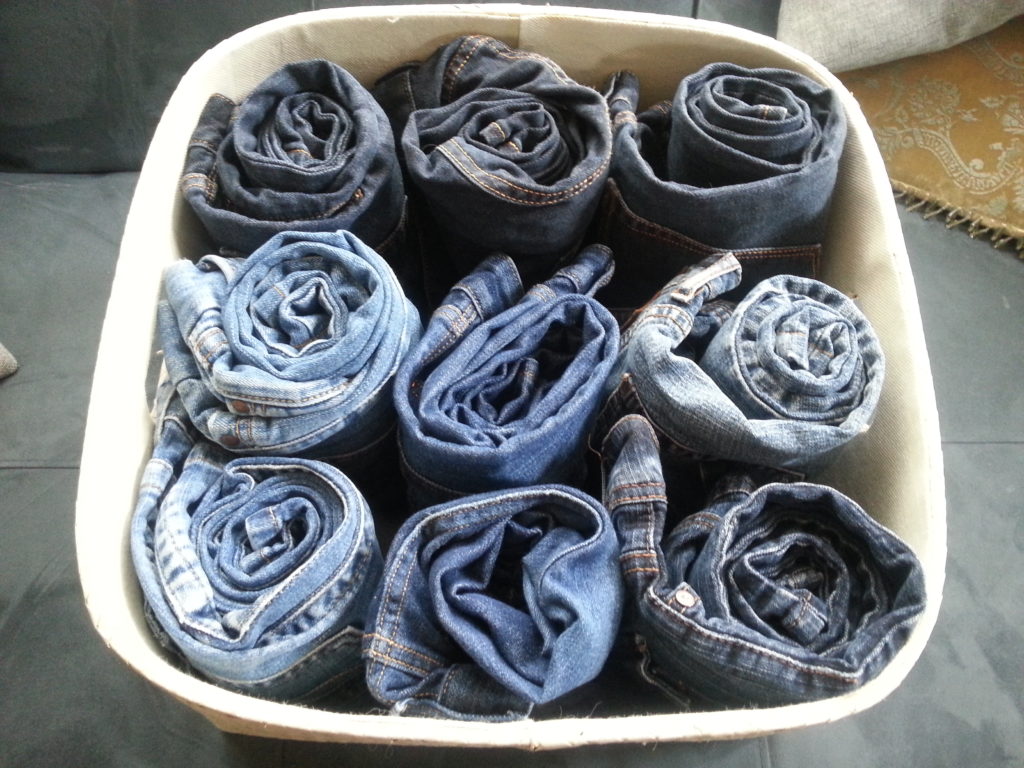
  • Neatly fold or roll clothes that go back into drawers, bins, or baskets. Here are tutorials for tips on How To Fold T-shirts, long socks and leggings, yoga pants.
  • Take an “After” photo of your fresh and clean closet and dresser drawers.

Considering selling or consigning unwanted clothing and accessories? Read about my favorite places to do that!

Ready to go a step further with closet organization? Read my blog on how to maximize closet space with hangers. 

Rolled jeans in a basket...my favorite!
Rolled jeans in a basket.

Bella_Organizing_Best_Professional_Organizers_San_Francisco_Oakland_Berkeley_silicon_valley_monterey

Isabella Guajardo, founder and owner of Bella Organizing, is a San Francisco Bay Area professional organizer offering home organizing and residential move management services throughout the Greater San Francisco Bay Area. Call (510) 229-7321 or email info@bellaorganizing.com for more information. Gift certificates are available.
Categories
Professional-Organizer

Declutter the Junk Drawer

Declutter First, Organize Next. 

Discard what you don’t need and it magically creates space that makes cleaning and organizing easier. Let go of the old and unnecessary, expired, used up, what upsets you, what’s no longer your style, and that which takes up space you need for something more meaningful. It’s time to say goodbye and move on…  

Step One – Declutter the Junk Drawer

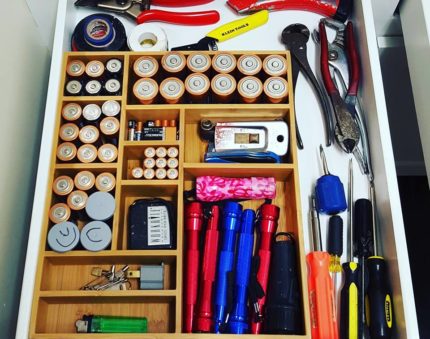
utility_junk_drawer_before_after_bella_organizing
  • Clear off a nearby surface on which to place things coming out of the drawer.
  • Gather one or more paper grocery bags for discards. Label one “Hazardous/E-Waste.” Have another bag handy to carry things that need to live elsewhere in the house. Keep the trash and recycle bins nearby. Read about what is considered Hazardous Waste and how to properly dispose of it.
  • Prep a bottle of all-purpose cleaner or mild soap, and a clean sponge or rag.
  • Grab a pen and pad of paper for notes, or use the notepad on your cell phone.
  • Open the junk drawer and take a few “Before” photos.

IMPORTANT REMINDER: Old and expired batteries and any kind of cords or wires, working or not, is hazardous waste and should not be thrown in the trash, recycle bin, or poured down drains. Take the following steps and avoid putting mother earth in danger.

earth_911_logo

Prepare to Drop Off Household Hazardous and e-Waste

One of the safest ways to dispose of old batteries, lightbulbs, cords, wires, and other types of electronic “e-waste” is during drop-off days that local businesses, schools and community organizations host throughout the year. You can also go to Earth911.com or do in Internet search for a “household hazardous waste center” to find drop-off locations near you. Whether you rent or own, most waste management companies have special directions for you to follow to properly dispose of hazardous waste locally to you and often free of charge, check your local waste management company’s website for details.

Now that you know how to properly handle hazardous and e-waste…

  • Take everything out of the drawer. Toss what you no longer want into the trash, recycle bin, in a donate/giveaway pile, or into the “hazardous waste” bag. Don’t know if the batteries are good? Watch this Youtube video for a quick way to check.
  • Is there anything in the drawer that belongs elsewhere in the house or garage? If so, take it where it needs to be.

Step Two – Clean 

  • Clean inside the drawer with a wet and warm, soapy cloth. Allow the surface to dry completely before putting things away. You may want to put down drawer liner to protect the surface from future damage. Spongy liner works great for keeping things from rolling around. 

Step Three – Put Things Back and Organize Your New “Utility” Drawer

creatively reuse small gift boxes for office and utility supplies.
Creatively reuse small boxes for office and utility supplies. Use old jewelry gift boxes, iphone boxes, or colorful business card boxes like these.
  • Now that you are cleaning out the drawer, is there anything left to go back in it? What should an organized “Utility” drawer consist of?
  • Useful items for a “Utility” drawer may include a screwdriver, scissors, pliers, utility knife, marker, pen, notepad, a few rubber bands, small roll of tape, small ball of twine, small flashlight, fresh batteries, safety pins, tweezers, tape measure, lighter or matches, small emergency sewing kit, a few band-aids, a couple small binder or chip clips.
  • If you continue to keep chargers, cords, or wires in the drawer, roll up and keep them in check with a rubber band or velcro cord strip.
  • Return what belongs back to the drawer.
Bella_Organizing_Best_Professional_Organizers_San_Francisco_Oakland_Berkeley_silicon_valley_monterey

Isabella Guajardo, founder and owner of Bella Organizing, is a San Francisco Bay Area professional organizer offering home organizing, interior redesign, and residential move management services throughout the Greater San Francisco Bay Area. Call (510) 229-7321 or email info@bellaorganizing.com for more information. Gift certificates are available.