Categories
Professional-Organizer

Week 11 | Bottled Water | 52 Weeks to Downsize & Minimalize

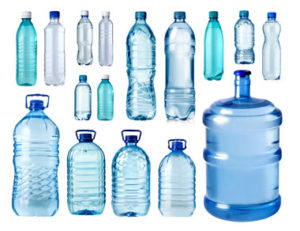
During Week #11, we learn and practice ways to downsize and minimalize the use of disposable plastic water bottles and plastic containers for water. We review the pros and cons of plastic water bottles, what plastic “leaching” means and does, and spotlight alternative water storage and filtering options.

By cutting down the use of plastic bottles, we can:
1) Save money.
2) Save the environment.
3) Protect ourselves from the health repercussions of plastic leaching into drinking water.

water-bottles-plastic

Pros of plastic water bottles/containers  (let me tell you, there aren’t many.)

  • quick and easy storage and travel companion
  • portable reminder to drink water
  • less chance of shattering if banged or dropped
  • a BIG TIME money maker for the plastic water bottle industry (a “pro” for them).

Cons of plastic water bottles/containers  (get ready…)

  • Store-bought bottled water is more expensive than tap water, and 25% of bottled water is from the tap. Companies filter or use ultraviolet light to radiate tap water, then sell it for several thousand times the cost of municipal tap water. The bottled-water industry is so successful, it has beaten coffee, milk, and juice in the number of gallons sold. Only beer and soda surpass it.

tap-water-bottled

“Enough plastic is thrown away each year to circle the earth four times.” ~ EcoWatch

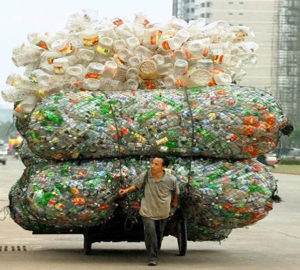
  • What you drink in a few minutes leaves behind plastic trash to linger for a thousand years. The U.S. public goes through an estimated 50 billion water bottles a year, and most of those plastic containers are not recycled.* Humans are not perfect recyclers, and our environment is paying for it. Plastic bottles that get thrown in the trash go into landfills. Toxins from degrading plastics leach into soil and watersheds, which also flow into rivers, oceans and to neighboring communities, states, and countries. In many developing countries where there is not a safe source of tap water (and not-so-strict recycling laws, education, or culture), bottled water is the only option. Imagine the plastic toxins we send to them, and what they send to us…

plastic-water-bottles

  • The creation AND recycling of plastic bottles uses TONS of energy. Plastic bottles – including recycled plastics – are manufactured using high volumes of fossil fuels and other energy. Bottles need to be designed and created, filled, labeled, transported nationwide and internationally in trucks and floatings vessels, keeping them cold in supermarkets and corner store refrigerators…all using more gas, energy, and emitting greenhouse gases. Plastic recycling efforts have improved, but still leave a huge carbon footprint. Watch this video and look closely at the breakdown and manufacturing process that goes into recycling.
recycled-plastic-bottles

  • Despite the hype, BPA-free plastic bottles are dangerous to humans. Considered “safer” if used only once, BPA-free #1 polyethylene terephthalate (PET or PETE) is the most common resin used in disposable bottles. CertiChem found that 70 percent of products that are BPA-free still leach harmful chemicals into food and beverages. As #1 bottles are reused, they can leach chemicals such as DEHA, a possible human carcinogen, and benzyl butyl phthalate (BBP), a potential hormone disruptor. Because the plastic is porous, you can take a swig of harmful bacteria with each gulp if you reuse the bottles, especially when they’ve been exposed to heat (microwaves, left in hot cars) or cold (refrigerators and freezers), or sit around for a long time (stored water bottles, emergency preparedness supplies). So much for wanting to be “green” by re-using a disposable plastic water bottle over and over and over again…

plastic-codes-water-bottles

How to Identify BPA Products
BPA products have recycle codes on their bottoms with the #3 or #7.

“Plastics labeled ‘1,’ ‘2,’ ‘4’ and ‘5’ are the safest,” says Dr. Whitney Christian, a health scientist for Cardno ChemRisk. “However, avoid reusing plastics labeled ‘1’ and ‘2,’ and do not use them with warm or hot liquids.” Avoid eating foods or drinking beverages stored in plastic containers if pregnant or nursing because you could pass the leached chemicals to your baby.

How to Ensure Safety

Use glass bottles and stainless steel water bottles and containers. Although glass bottles might not always be practical, they are a much healthier alternative to plastic water bottles.

Another safety method is to avoid putting plastic bottles, sippy cups or food storage containers in the microwave or dishwasher, the freezer, or exposing them to sunlight. “Leaching of chemicals from plastics can also happen from repeat use and from scratches that accumulate over time,” says Dr. Christian.

The Breast Cancer Fund also recommends that consumers limit exposure to toxins in BPA, BPS and other alternatives by using glass, stainless steel and food safe ceramic containers. They stress that it is not safe to microwave in plastic.

Tips to Store Emergency Water

  • Use wood rain catchment barrels, and glass or ceramic storage containers.
  • If using plastic or “resin” water barrels, or storing bottled water in plastic, rotate the water every six months to prevent toxic leaching; never let the water sit inside a plastic container for longer than 6-12 months. Rotate the water by using it to quench non-edible plants and trees. Use fresh rain water to refill catchment systems each season.

A Few Water Filtering Options for Tap Water Drinkers

For home, one option is the Soma water carafe and filter. It’s a sleek, glass carafe with a fully biodegradable filter made from coconut shells. Soma sends a new filter every 60 days. Visit Food & Water Watch for information on in-sink filtration systems. Soda Stream is an option for sparkling water.

Change is simple and makes a real difference. We can teach generations how easy it is to be plastic water bottle-free, just like we used to be.

“93 percent of American ages age 6 and older test positive for the plastic chemical BPA. BPA-free is not safer.” ~EcoWatch

*Bottlemania: How Water Went on Sale and Why We Bought It by Elizabeth Royte (2008) 

Bella_Organizing_Best_Professional_Organizers_San_Francisco_Oakland_Berkeley_silicon_valley_montereyIsabella Guajardo, founder and owner of Bella Organizing, is a San Francisco Bay Area professional organizer offering home organizing, interior redesign, and residential move management services throughout the Greater San Francisco Bay Area. Call (510) 229-7321 or email info@bellaorganizing.com for more information. Gift certificates are available.

Follow our projects on: Facebook | TwitterInstagram | Houzz

Counties we serve:

Alameda | Contra Costa | San Francisco | Marin | Sonoma | Napa | Santa Clara | San Mateo | Santa Cruz | Monterey
Categories
Professional-Organizer

Storage: Daily, Short-Term, & Long-Term

The work I do as a professional organizer is all about smart and safe storage. I consult on and implement day to day storage for:

  • Immediate (daily) access – such as the kitchen cabinets, wardrobe closets, paperwork file cabinets
  • Short term storage – garage, shed, or other residential on-site storage that needs to be occasionally accessed (and sometimes turns into long-term storage)
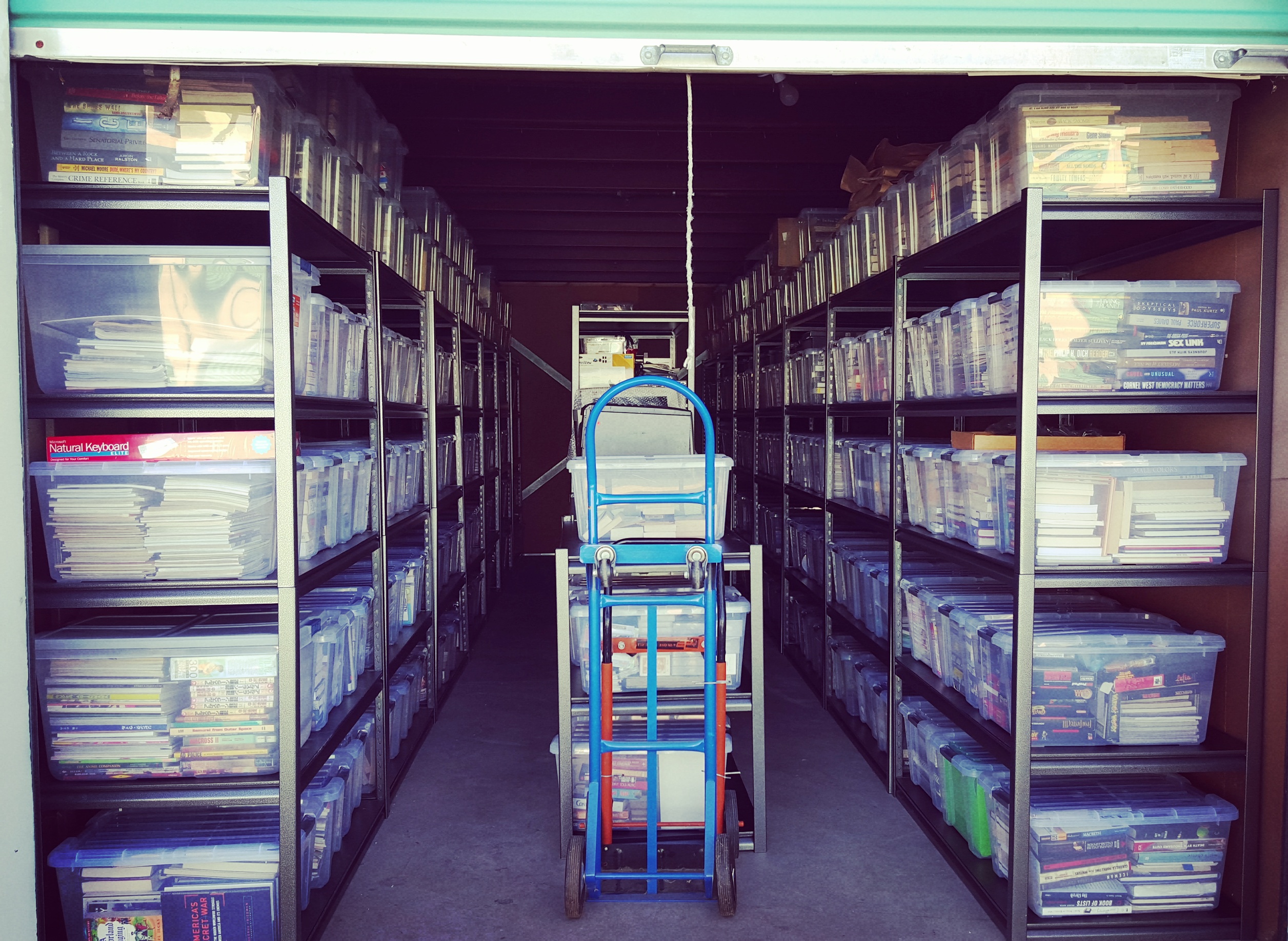
  • Long-term storage – off-site public and private storage units, vaults, pods, etc. that will rarely be accessed
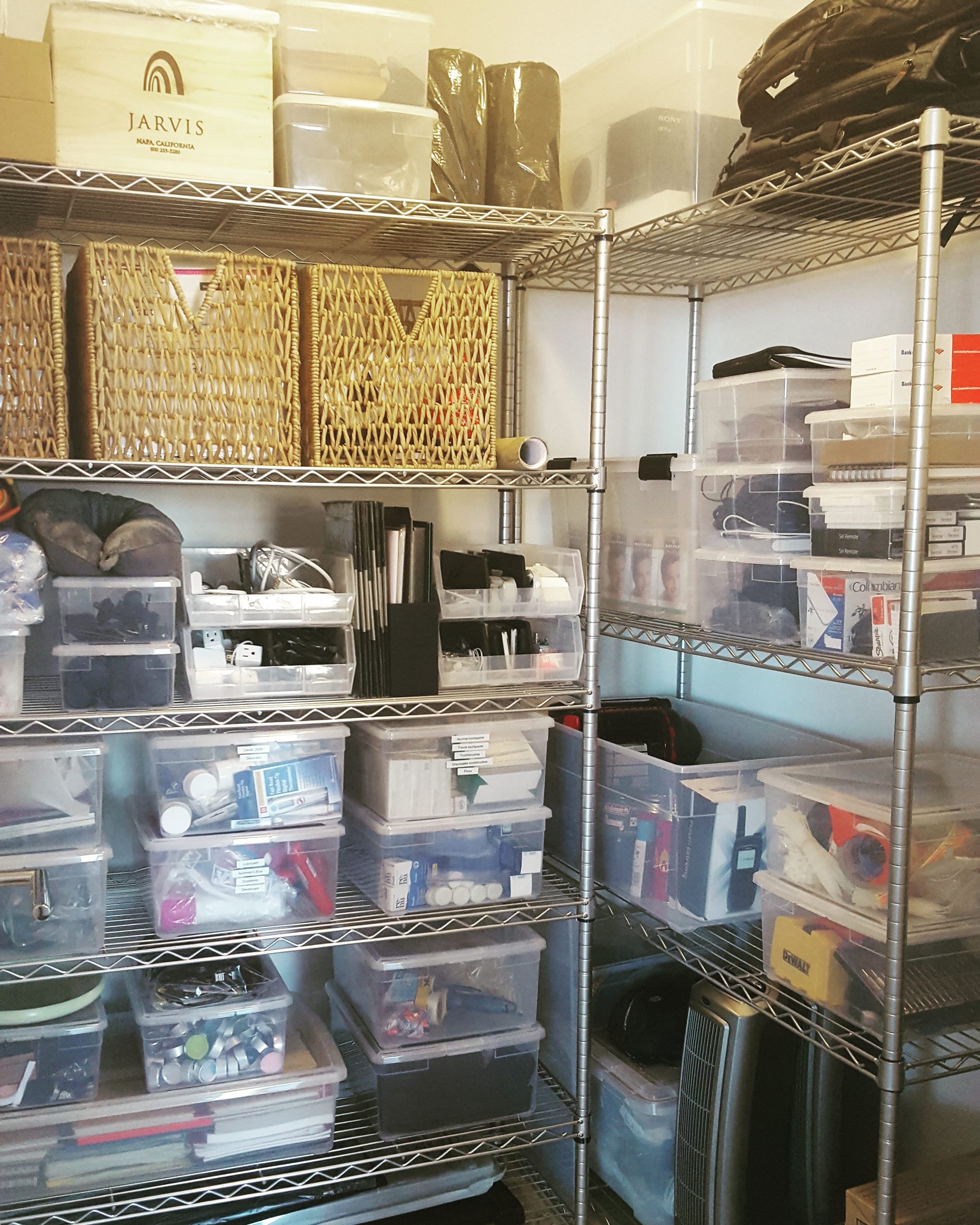
storage_self_professional_organizer_san_francisco_

Here we will focus on downsizing anything stored that is rarely or never used, maximizing space for things you need to keep, and tips to prevent damage to long-term storage and things you love.

Downsizing Tips

Three Steps to Downsize & Minimize Storage

1. Make a declutter plan and stick to it.  Set a solid schedule of purging sessions weekly or monthly (in the home), quarterly or bi-annually (in the garage/attic/basement), and bi-annually or annually (at storage unit). If downsizing in preparation for a move, start the process a few weeks to months before your move date. How far in advance you begin depends on how much free time you have and things you own. Work your way into closets, deep inside cabinets and drawers, under the bed, and through closets and boxes that have been ignored for too long. Pull out what you don’t need/like/use/wear, and place it into a donation/sell/give away box or bag. It’s a good idea to always have this kind of bag or box around the house to remind yourself to declutter. A little weekly and monthly decluttering goes a long way.

2. Let go of the easy stuff first. Leave the time consumers and things you are emotionally attached to for last. For many people the more challenging stuff to tackle is often paperwork, photos, and memorabilia. Put the challenging stuff aside and return to them later, after you deal with easier things and are inspired by the open space to continue moving forward.

3. Recruit a trusted friend. If it’s overwhelming for you to tackle a downsize project on your own, ask for help. Whether you call on a trusted friend, neighbor, or an experienced professional organizer, it’s important that this person have a patient and non-judgmental personality. Downsizing is a team effort. Choose someone you like that will keep you motivated to stay on schedule and moving forward. Bonus points if this person has a truck or van to help haul away donations.

Read more tips on decluttering before a move and how to tell when it is junk.


Tackle downsizing a little at a time for a healthier experience, and learn to become comfortable with the process of letting go…it truly has a lasting effect and higher rate of success in moving toward a clutter-free lifestyle.


Maximize Storage Space: Think Vertically

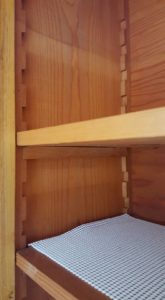
storage_shelves_professional_organizer_san_francisco
Adjustable, built-in kitchen cabinet shelves.
  • Large, empty walls are valuable real estate. Consider maximizing use of these spaces first when planning built-in and shelf-standing storage shelves, cabinetry, and wardrobe closets.
  • Use high quality, sturdy shelf and cabinet systems that don’t damage easily when moving from one home or storage space to another. These will likely be with you for the long-haul, so make sure the shelves are functional and pleasing to have around.
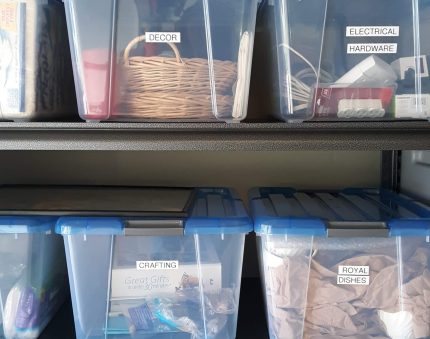
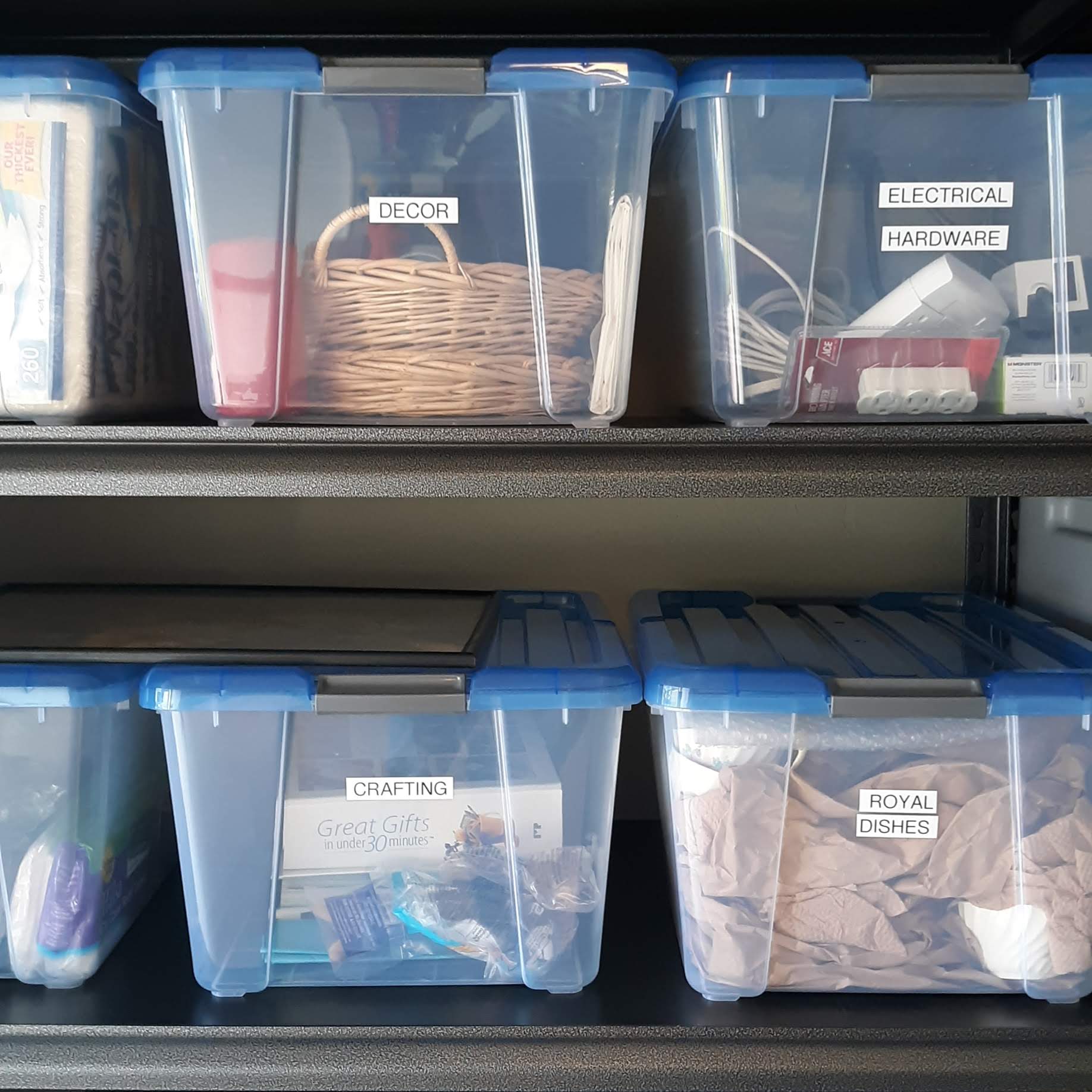
  • Invest in secure bins and containers with flat lids for easy stacking. Make sure water cannot penetrate the base or lid of containers that will be stored in a garage, attic, basement, or off-site storage unit if there happens to be flooding or a leak in the roof, which often happens after a big rain.
  • Adjustable shelving is a life saver – in kitchen cabinets, built-in cabinet systems, bookshelves, garage shelving.
  • Use hooks to hang and suspend items in cabinets, closets, garages, and workspaces.
  • Use shelf risers to maximize space that doesn’t have adjustable shelving. They work great for lots of areas, not just kitchens!
  • Hang dresses, blouses, shirts, and tanks using slim hangers whenever possible. This uses space more efficiently than folding and prevents wrinkled clothing. Fold or use cascading pant/skirt hangers for bottoms. More on hangers here.

Tips for Safe Storage

  • Climate control – At home or in a storage unit, your valuables do best when not exposed to humidity and fluctuating temperatures. Cold, wet weather can create dampness, mold, and rot, and extreme hot temperatures can melt, crack, and warp. Climate-control keeps indoor temperature between 55-85°F year-round, maintains a consistent humidity level, and is a storage necessity’ it’s a heater, air conditioner, humidifier, and dehumidifier all in one. Storing wine? The ideal storage temperature range is between 45° F and 65° F. Read more about wine storage here.
  • Keep a clean Garage/Basement/Attic – Finished (with drywall and insulation) or unfinished (without drywall and insulation), it’s important to keep storage areas dry, dusted, and swept. Clear spiderwebs immediately, and keep things off the floor because rodents and other critters love to nest under piles.
  • Mold and mildew prevention – In addition to temperature-controlled storage, there are homemade and store-bought mold and mildew prevention steps and products such as opening windows more often, using fans and dehumidifiers, and mold and mildew cleaners. Read mold and mildew prevention tips here and how charcoal briquettes can be used to absorb moisture and odor.
  • Wrap and label stored furniture in clean moving blankets. You can use plastic movers wrap (easily found at Uhaul Stores) to secure the blankets into place, but never use plastic to completely cover a piece of furniture for long term storage, as condensation can build up in space with fluctuating temperatures, and cause damage. Blankets also keep your furniture dirt and dust-free, and prevents scratches and damage when stacked in storage.
  • Clean/vacuum rugs, then roll and wrap in heavy paper or canvas cloth. Never fold rugs because permanent creases can result. Never use plastic (such as movers wrap) for long-term storage without temperature control, as this can cause condensation and damage the rug. Rugs need to breathe, especially those made with expensive, natural fibers such as wool. Keep rugs stored off the ground whenever possible to prevent damage from leaks and floor-scurrying critters.
  • Acid-free containers/paper/portfolio binders work great for photos, important paperwork (such as house deeds and birth certificates), and flat artwork (charcoal sketches, watercolor, oils, and acrylics, etc).
  • Cedar balls and blocks protect against moths.
  • Always place a few rodent traps in long-term storage spaces.

Be sure to regularly check on items stored in the garage, attic, basement, shed, or an off-site storage unit in case of leaks and damage, especially during or immediately after a heavy rain or snow storm.

stuff_cure_bella_organizing_storage_professional_organizer

Book Recommendation: The Stuff Cure – a proven method to unstuff your excess, organize what you keep, and regain control of your life.


Bella_Organizing_Best_Professional_Organizers_San_Francisco_Oakland_Berkeley_silicon_valley_monterey

Isabella Guajardo, founder and owner of Bella Organizing, is a San Francisco Bay Area professional organizer offering home organizing and residential packing and move management services throughout the Greater San Francisco Bay Area.

Categories
Professional-Organizer

Declutter the Car

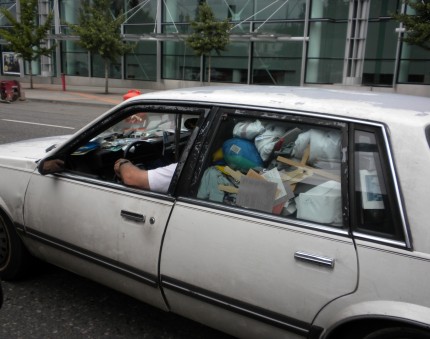
Car clutter is common for people on the go. Crumbs, food wrappers, soda cans, empty water bottles, loose change, baby supplies, pet supplies…we’ve all been there. It accumulates on the floor, in the seat cracks, inside the glove box, side doors, trunk, in the truck bed for those with pick-ups.  

I recently helped a friend clean and organize her car. She was ready to run from the next zombie apocalypse; we uncovered 30 pair of shoes to last the next few decades. We pulled out tons of jackets, scarves, gloves, old food wrappers and drink bottles. If you want to give a gift to a good friend, be on their team and help her declutter the car. Many hands make light work, and you can listen to the radio and tell light-hearted jokes about what you find along the way. When done, you have space to take that Thelma and Louise road trip you’ve always wanted.

It’s time to downsize and minimize.

Step One – Declutter the car and trunk

clutter_car_get_organized
Don’t take the clutter with you.
  • Grab a few bags for trash, recycling, and items going back into the house
  • Sort, purge, put things back where they belong – clothes to the hamper, shoes to the closet, dishes into the sink.

Step Two – Clean

  • Take the car to a self-serve, automatic, or full-service car wash. Now that surfaces can be seen, it’s time to get the car clean. This is a good time to clean the car thoroughly, including the engine/under hood (self-serve car washes are great for this), wipe down and vacuum the carpet and seats, inside glove compartment, console, side door pockets, trunk, all the nooks and crannies. I personally take my truck to a self-serve car wash twice a year to inexpensively clean the engine and take it to a full-service car wash every other week to let the professionals take care of the rest.

Step Three  Organize

  • Organize car compartments. Use a small pocket organizer to store vital papers: registration, insurance card, car maintenance records. Replenish car chargers, napkins, pen, notepad, meter change in a small zip purse, and a few Chico Bag reusable bags…my favorite! You can find them at grocery checkout stands.
  • Use pockets behind driver and passenger seats as smart storage. Stash small trash bags (use a quart size ziplock bag to keep them together and ready),  a mini-size squirt bottle of vinegar and water (great for cleaning interior AND windows), a clean rag, paper towels or disposable cleaning wipes.
  • Maximize backseat & trunk storage. There are many varieties of organizers for the car and trunk. Here are ideas from BestProducts.com
  • Invest in a cell phone holder. There are varieties that attach to car vents, dashboards, and cup holders. Beware of those that attach to window glass, they may block full view of the road.
  • Check the spare tire for working condition. Have this taken care of next time the car goes in for servicing, especially if you don’t take the car in for regular tire rotation.
  • Invest in safe tie-downs. Whether you have a truck or occasionally carry large purchases on the hood of the car, it’s a good idea to have on hand secure tie-downs that you practice how to use in advance. Ratchet straps work well, and are small versions of what you see big rigs use to tie down their loads. If you have an open truck bed, local law requires you cover your load with a secure tarp or safety net. I use the Gladiator Cargo Net, which folds and returns nicely to the zip case it comes with. This keeps everyone safe on the road.
  • Get an emergency car kit together. Here are safety tips & a checklist from Ready.gov

Bella_Organizing_Best_Professional_Organizers_San_Francisco_Oakland_Berkeley_silicon_valley_monterey

Isabella Guajardo, founder and owner of Bella Organizing, is a San Francisco Bay Area professional organizer offering home organizing and residential move management services throughout the Greater San Francisco Bay Area. Call (510) 229-7321 or email info@bellaorganizing.com for more information. Gift certificates are available.

Categories
Professional-Organizer

Declutter Books, CDs, and DVDs

Is the accumulation of books, CDs, and DVDs in your home weighing you down? Has your home become a library piled high with hardbacks and paperbacks, old school CDs with shell cases, and a DVD movie museum? There are ways to downsize and minimalize without saying goodbye forever to these beautiful things that provide knowledge, joy, and entertainment. 
books_declutter_minimalize_downsize_organizeFor those interested in donating, here are two nationwide causes to know about
  • Friends of the Public Library (Books, CDs, DVDs) – Libraries everywhere accept donations, some of which are needed as regular inventory, others used to fundraise for library programs. Libraries take current best sellers, classic fiction and non-fiction, books on CD, music CDs in jewel cases, timely non-fiction, large print books, popular or classic DVDs.
  • Prisoners Literature Project (Books) – a San Francisco Bay Area-based non-profit group that provides free books to prisoners across the United States. They’ve been doing it for 30 years! They accept books that help prisoners with language and vocational skills, and inform them about history and culture. The most requested books are dictionaries, how-to books, and books about African-American, Latino, and Native American history and culture.

Resources to sell books, CDs, and DVDs

It’s time to downsize and minimalize.

Step One 

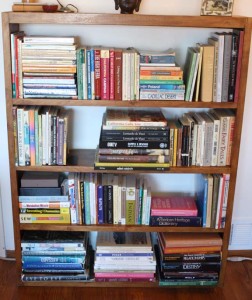
Declutter Books – A home full of books can give a heavy look and feel to a room. Books are lovely, but too many becomes physical and visual clutter. It’s time to lighten up your home…

  • Go to the bookshelf (or piles of books) and pull out those you have read (and not read) that you are willing to let go. Be strong. If you haven’t read it in a year, honestly ask yourself “will I ever?” Also “Can I check this out from a library when I want to read it?”

Step Two 

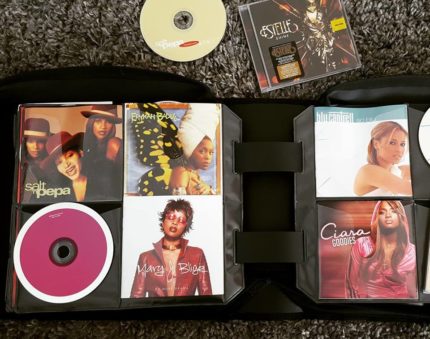
orgainze_music_cds_bella_organizingDeclutter CDs – You’ve got a fabulous variety of music you’ve collected over the years. Have you outgrown a few? Have your tastes evolved? Prep the CD player, it’s time to listen to music you’ve forgotten.

  • Glance through the collection, one CD at a time. Set aside those you are willing to donate or sell. Set to another side ones you’re on the fence about. These are the ones to listen to now.
  • When you’ve finalized what to keep, organize the collection by genre and/or alphabetical order.
  • Go a step further and remove the CD and insert, and place inside a CD/DVD organizer case like the one in the photo. This is my personal collection of over 200 CDs, which I dealt with last year after years of storing. These are CDs to keep, so I’m not going to worry about resale value and holding onto the jewel case.
  • Look into music streaming services such as Pandora, Spotify, Apple Music, and prevent CD clutter from entering the home again.

Step Three 

Declutter DVDs – You’ve got favorites and holiday classics you enjoy watching year after year. If you’re going to keep movies forever, there’s no need to keep the space-hogging case. If you can care less about the movie or are willing to stream or check it out from a library, let it go.

  • Glance through the DVD collection and remove those to donate or sell.
  • When you’ve finalized what to keep, organize the collection by genre and/or alphabetical order. It’s faster to do this while they are in cases.
  • Next, remove DVDs from individual cases and consolidate inside a CD/DVD organizer.

With time and courage, you will also go through your record album collection! Keep them in their covers and sleeves. It feels good to be uncluttered.

Bella_Organizing_Best_Professional_Organizers_San_Francisco_Oakland_Berkeley_silicon_valley_montereyIsabella Guajardo, founder and owner of Bella Organizing, is a San Francisco Bay Area professional organizer offering home organizing, interior redesign, and residential move management services throughout the Greater San Francisco Bay Area. Call (510) 229-7321 or email info@bellaorganizing.com for more information. Gift certificates are available.

Follow our projects on: Facebook | TwitterInstagram | Houzz

Counties we serve:

Alameda | Contra Costa | San Francisco | Marin | Sonoma | Napa | Santa Clara | San Mateo | Santa Cruz | Monterey
Categories
Professional-Organizer

Declutter the Kids Room

declutter

  • to remove mess or clutter from (a place)
  • to organize and prioritize (one’s commitments, material possessions, etc.)
  • to let it go

I work with parents every week to tackle clutter in the kids room and around the house. Some parents have rules for a dedicated toy storage space, such as the kids room or playroom, but most homes I visit have a naturally evolving system of everything everywhere… toys, books, shoes, backpacks in the living room, on the kitchen table, under mom and dad’s bedsheets. I’ve seen it all…

A little before we get started:

Kids_Room_declutter_organize
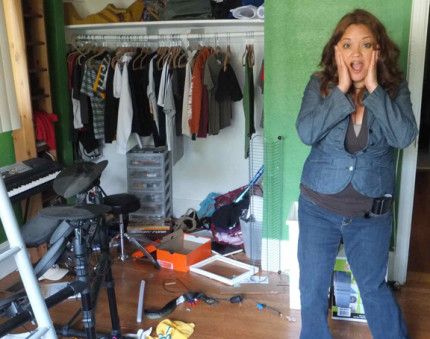
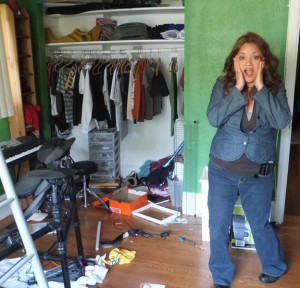
This parent gave the birthday gift of an organized room to his teen son. What a great dad! Here I am in the “Before.”

Why does the kid stuff get out of control? Common answers:

  • Parents plan to have another child soon and want to save everything to reuse (makes total sense!)
  • Parents want the most for their kids
  • Grandma wants the most for the grandkids
  • Friends of the parents want the most for their friend’s kids

Everybody is so giving! 

There comes a point when enough is enough…

How much is too much with toys, books, clothing, artwork, and memorabilia? The answer lies within YOU, parent or guardian. Here’s a hint: the less there is, the less you have to clean up, sort through, put into storage, and the easier it will be to find things.

kids_room_declutter_organize
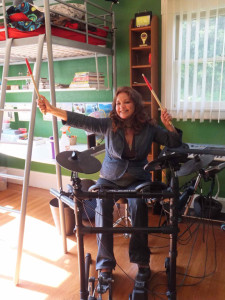
Here I am celebrating in the “After.”

Wouldn’t it be wonderful if the kids simply picked up after themselves?

Unfortunately the littles can only do so much on their own.

Helen Neville, a pediatric advice nurse at Kaiser Permanente for 35 years, gave an Ages and Stages in Early Childhood Development workshop that brings things to light. She specializes in inborn temperament and authors Is this a Phase? Child DevelopmentParent Strategies Birth to 6 Years, and other books on temperament, sleep, and potty training.

Q&A with Helen Neville

Question: At what age is it best to help kids clean their room?

Answer:  Clean up with them ages 2-5. You have to help and make it fun and interesting.

Question: At what point is it easier to get kids to give up toys without being hurt by it?

Answer:  3-5 year olds forget what’s important to them, which can include toys. A 2-year old won’t care to lose toys, a 6-year old may start to miss them.

Grab the kids! It’s time to get their room in order. 

Step One 

  • When working with a child to declutter toys and books, tell them about places they can donate to kids in need, such as to homeless shelters and toy drives. Pick a place to donate together and follow through with it. ‘Tis always the season to give give give away!
  • Tackle clutter with the kids for as long as their attention can be held, they are having fun, and being productive with you.
  • Kids (as do adults) can get overwhelmed by choice. Allow them to make decisions on what to keep and what to donate for only a few things at a time. When their interest starts to wane…

Step Two

  • Set them free! Don’t get frustrated. It’s up to you, parent or guardian, to continue sorting, decluttering, and putting things away.
  • Put excess toys into labeled bins and store in the garage for 3 months. What the child remembers and asks for, bring out. What they forget, donate.

Tackle kids clutter on a regular basis. Downsize a little at a time together and instill great habits in everyone. Do not give up. Your kids clutter is your clutter. Set a regular schedule, find balance with the amount of stuff you are willing buy/accept/store/donate, and turn challenges into successes.

Prevent and Take Action on Toy Clutter

  • At your child’s next birthday party, make a themed gift donation box that everyone attending knows about in advance. Gifts received will go directly to charity, such as school supplies to a classroom in need.
  • What we hold off as a reward can be what kids are motivated toward. Find creative ways to get your child to let go of excess toys often, such as making it a house agreement during the weekly family meeting to only allow in a new toy or book if one or two goes out.

Bella_Organizing_Best_Professional_Organizers_San_Francisco_Oakland_Berkeley_silicon_valley_monterey

Isabella Guajardo, founder and owner of Bella Organizing, is a San Francisco Bay Area professional organizer offering home organizing and residential move management services throughout the Greater San Francisco Bay Area. Call (510) 229-7321 or email info@bellaorganizing.com for more information. Gift certificates are available.