Categories
Professional-Organizer

Week 13 | Yard Junk | 52 Weeks to Downsize & Minimalize

Join Bella Organizing to downsize & minimalize yard junk and get the front, back, and side areas of your home looking good again. Keep reading to find tips and resources for getting yard junk reused, recycled, and even hauled away for free. Many of these resources are available throughout the USA.
junk-yard-downsize
 
What is Yard Junk?
  • Lumber scraps that have rotted and decayed
  • Wooden logs hanging around when you no longer camp or have a working fireplace
  • Broken sun umbrellas
  • Rusting patio furniture that has been through too many seasons
  • Outdoor toys no longer played with
  • Landcaping supplies that have gone unused
  • Fencing and chicken wire that serve no purpose
  • Dirty, empty pots and planters that snails call their home
  • Unknown objects hanging from trees that were once decorations
  • Broken outdoor holiday lights still strung along the house and fence
  • Bricks, cinderblocks, and other building and landscaping materials that have been laying around for too long with hopes that “someday they’ll be used”
What other yard debris are you ready to kick to the curb? 
Resources for giving away and recycling yard junk

Resources for local yard junk pick-up services (be sure to read the details of what they DO and DO NOT pick up on their website.)

  • Many waste management companies offer residents one free, annual bulky waste pick-up in addition to your regular weekly trash/recycling pick up. Contact your local waste management company for details. Here are examples for Oakland and San Francisco.
  • Local trash haulers, such as 1-800-GOT-JUNK and Junk King (fee-based). There are LOTS of companies to choose from. Do an Internet search for “junk-hauling companies” near you.

urban-ore-yard-junk-downsize-minimalize

Local SF BAY AREA companies and organizations that accept donations of various types of yard junk (you drop off):

nails-wood-yard-junk

SAFETY TIPS

  • Use heavy duty gloves and face masks when handling yard trash, as there can be nails and splinters in wood, mold, bugs, and other yucky stuff lingering on and under these things.
  • When giving away items online, there are inherent dangers of inviting strangers to your home. Always play it safe and take precautions.
  • There are many junk haulers who are not legitimate, law-abiding companies. Beware of local scams in which you pay a hauler who illegally dumps instead of dropping it off at a local city dump. You can be held accountable and fined if someone is discovered to have illegally dumped property that belongs to you, even after it is hauled away from your home or business.

Bella_Organizing_Best_Professional_Organizers_San_Francisco_Oakland_Berkeley_silicon_valley_montereyIsabella Guajardo, founder and owner of Bella Organizing, is a San Francisco Bay Area professional organizer offering home organizing, interior redesign, and residential move management services throughout the Greater San Francisco Bay Area. Call (510) 229-7321 or email info@bellaorganizing.com for more information. Gift certificates are available.

Follow our projects on: Facebook | TwitterInstagram | Houzz

Counties we serve:

Alameda | Contra Costa | San Francisco | Marin | Sonoma | Napa | Santa Clara | San Mateo | Santa Cruz | Monterey
Categories
Professional-Organizer

Week 12 | Utility Bills | 52 Weeks to Downsize & Minimalize

This week we welcome guest blogger Emma Clark of The Art of Home Renovations. Welcome, Emma!

Downsize_minimalize_utility_bills

Week 12 | Utility Bills | 52 Weeks to Downsize & Minimalize – by Emma Clark

When you want to save money, the first thing you have to consider is downsizing your utility cost. Why? You may think that paying expensive bills is unavoidable given your family’s circumstances, but that shouldn’t always be the case.

In fact, with just a few changes in your house and family’s lifestyle, you can reduce the cost of your bills by a significant amount every month. The benefits? You can minimalize the stress come every payment due, while also minimalizing your monthly expenses.

Interested now? Here are a few changes you can make to downsize your bills right away:

  1. Replace your light bulbs with more energy efficient ones.

Downsize_minimalize_utility_bills

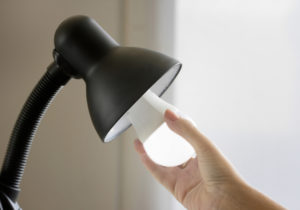
Today, we are blessed with the modern invention of LED and CFL light bulbs. Compared to the traditional incandescent bulbs, they emit more light in the home for less the energy cost. Moreover, these new bulbs are more durable than others, and work well even in cold weather. That means less replacement cost over the whole year!

So, if your house is still filled with incandescent light bulbs that burn up a lot of your monthly budget, maybe it’s time to make this change in your home.

  1. Install a programmable thermostat

Downsize_minimalize_utility_bills

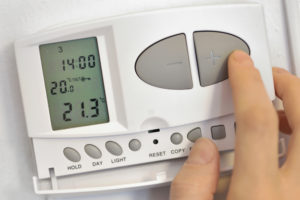
If you don’t have one yet, then consider replacing your thermostat with a programmable one instead. A programmable thermostat has one main benefit that we all love– they can reduce your energy costs by turning the heat up or down based on a bunch of programmed settings.

How does it work? Well, you can set your thermostat to turn the heat down at times when no one is at home (or sleeping). Inversely, you can also set it to start heating up just before you arrive home. In this way, you can cut down on energy used to heat up your house while nobody’s home, sleeping, etc.

  1. Air seal your house

Downsize_minimalize_utility_bills

When there are cracks and openings in your home that a draft can enter through, you have an “air leakage”, which can decrease the efficiency of your heating system. Air leakages can steadily increase your energy costs while decreasing the quality of air in your home.

So what can you do to fix this problem? The solution is simple: detect air leaks around your home, then perform air sealing methods such as caulking or weatherstripping. Newer houses can be easy to air seal. On the other hand, older houses may require complete remodeling to get rid of the air leaks. Either way, consider air sealing as a long-term strategy for home energy efficiency.

  1. Fix plumbing problems right away

Downsize_minimalize_utility_bills

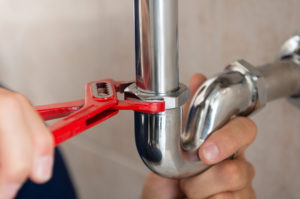
Do you hear a soft “drip, drip, drip” from your bathroom sink? Well, you have no business ignoring it, then! You may not realize, but these tiny leaks and damages can add a significant cost to your utility bills.

What are the areas you have to check for damage? Obviously, you have to check the sinks first. Any leak or damage can be easiest to repair for a sink. Next, take a look at your water heater. Is it leaking? Grumbling? Or is it spurting rusty water through your showers? Well then, it may be time to replace them, for any noise or leaks can mean a faulty water heater; something that adds a lot of energy cost.

Of course, you also have to check your pipes for leaks. If you’re living in an old house, then you must do this regularly. Bottom line is: anything with a leak must be patched, repaired, or replaced.

  1. Use smart power strips

Downsize_minimalize_utility_bills

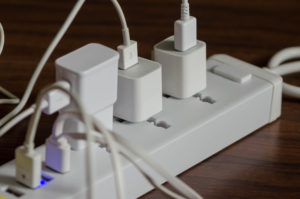
The smart power strip is another great invention for downsizing the home’s energy costs. You can buy one or two of them for a relatively cheap price, and place them in rooms where a lot of appliances/gadgets are being used. These smart power strips can turn itself (and everything plugged into it) off at a certain time, thus eliminating the phantom charge.

On a similar note, it’s also wise to unplug all electrical devices when unused. You may not notice it, but everything turned off but plugged into an outlet still consumes electricity. The result? An unnecessarily bigger bill.

Conclusion

Things become a little bit easier in the home when you have no big bills to think about. In your endeavor of downsizing and minimalizing your new year, make your house bills a part of that. With just a few changes in your home, you can enjoy cut-downs on your energy and utility costs every month.

Did you like this article? If you did, feel free to leave a comment and tell us what you think about downsizing your utility cost. Don’t forget to share this with your friends, too! Thanks for reading.

Hi! I’m Emma Clark from The Art of Home Renovations, an interior designer with one true passion: home improvement. With my experience and skill, I want to help you make your home into a revolutionary & magical work of art through easy, inexpensive, and innovative ideas that you can DIY!

Categories
Professional-Organizer

Week 11 | Bottled Water | 52 Weeks to Downsize & Minimalize

During Week #11, we learn and practice ways to downsize and minimalize the use of disposable plastic water bottles and plastic containers for water. We review the pros and cons of plastic water bottles, what plastic “leaching” means and does, and spotlight alternative water storage and filtering options.

By cutting down the use of plastic bottles, we can:

1) Save money.
2) Save the environment.
3) Protect ourselves from the health repercussions of plastic leaching into drinking water.

water-bottles-plastic

Pros of plastic water bottles/containers  (let me tell you, there aren’t many.)

  • quick and easy storage and travel companion
  • portable reminder to drink water
  • less chance of shattering if banged or dropped
  • a BIG TIME money maker for the plastic water bottle industry (a “pro” for them).

Cons of plastic water bottles/containers  (get ready…)

  • Store-bought bottled water is more expensive than tap water, and 25% of bottled water is from the tap. Companies filter or use ultraviolet light to radiate tap water, then sell it for several thousand times the cost of municipal tap water. The bottled-water industry is so successful, it has beaten coffee, milk, and juice in the number of gallons sold. Only beer and soda surpass it.

tap-water-bottled

“Enough plastic is thrown away each year to circle the earth four times.” ~ EcoWatch

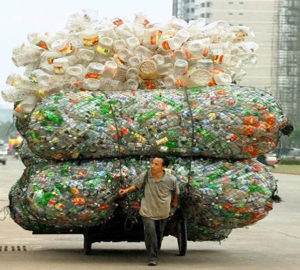
  • What you drink in a few minutes leaves behind plastic trash to linger for a thousand years. The U.S. public goes through an estimated 50 billion water bottles a year, and most of those plastic containers are not recycled.* Humans are not perfect recyclers, and our environment is paying for it. Plastic bottles that get thrown in the trash go into landfills. Toxins from degrading plastics leach into soil and watersheds, which also flow into rivers, oceans and to neighboring communities, states, and countries. In many developing countries where there is not a safe source of tap water (and not-so-strict recycling laws, education, or culture), bottled water is the only option. Imagine the plastic toxins we send to them, and what they send to us…

plastic-water-bottles

  • The creation AND recycling of plastic bottles uses TONS of energy. Plastic bottles – including recycled plastics – are manufactured using high volumes of fossil fuels and other energy. Bottles need to be designed and created, filled, labeled, transported nationwide and internationally in trucks and floatings vessels, keeping them cold in supermarkets and corner store refrigerators…all using more gas, energy, and emitting greenhouse gases. Plastic recycling efforts have improved, but still leave a huge carbon footprint. Watch this video and look closely at the breakdown and manufacturing process that goes into recycling.

recycled-plastic-bottles

  • Despite the hype, BPA-free plastic bottles are dangerous to humans. Considered “safer” if used only once, BPA-free #1 polyethylene terephthalate (PET or PETE) is the most common resin used in disposable bottles. CertiChem found that 70 percent of products that are BPA-free still leach harmful chemicals into food and beverages. As #1 bottles are reused, they can leach chemicals such as DEHA, a possible human carcinogen, and benzyl butyl phthalate (BBP), a potential hormone disruptor. Because the plastic is porous, you can take a swig of harmful bacteria with each gulp if you reuse the bottles, especially when they’ve been exposed to heat (microwaves, left in hot cars) or cold (refrigerators and freezers), or sit around for a long time (stored water bottles, emergency preparedness supplies). So much for wanting to be “green” by re-using a disposable plastic water bottle over and over and over again…

plastic-codes-water-bottles

How to Identify BPA Products
BPA products have recycle codes on their bottoms with the #3 or #7.

“Plastics labeled ‘1,’ ‘2,’ ‘4’ and ‘5’ are the safest,” says Dr. Whitney Christian, a health scientist for Cardno ChemRisk. “However, avoid reusing plastics labeled ‘1’ and ‘2,’ and do not use them with warm or hot liquids.” Avoid eating foods or drinking beverages stored in plastic containers if pregnant or nursing because you could pass the leached chemicals to your baby.

How to Ensure Safety

Use glass bottles and stainless steel water bottles and containers. Although glass bottles might not always be practical, they are a much healthier alternative to plastic water bottles.

Another safety method is to avoid putting plastic bottles, sippy cups or food storage containers in the microwave or dishwasher, the freezer, or exposing them to sunlight. “Leaching of chemicals from plastics can also happen from repeat use and from scratches that accumulate over time,” says Dr. Christian.

The Breast Cancer Fund also recommends that consumers limit exposure to toxins in BPA, BPS and other alternatives by using glass, stainless steel and food safe ceramic containers. They stress that it is not safe to microwave in plastic.

Tips to Store Emergency Water

  • Use wood rain catchment barrels, and glass or ceramic storage containers.
  • If using plastic or “resin” water barrels, or storing bottled water in plastic, rotate the water every six months to prevent toxic leaching; never let the water sit inside a plastic container for longer than 6-12 months. Rotate the water by using it to quench non-edible plants and trees. Use fresh rain water to refill catchment systems each season.

A Few Water Filtering Options for Tap Water Drinkers

For home, one option is the Soma water carafe and filter. It’s a sleek, glass carafe with a fully biodegradable filter made from coconut shells. Soma sends a new filter every 60 days. Visit Food & Water Watch for information on in-sink filtration systems. Soda Stream is an option for sparkling water.

Change is simple and makes a real difference. We can teach generations how easy it is to be plastic water bottle-free, just like we used to be.

“93 percent of American ages age 6 and older test positive for the plastic chemical BPA. BPA-free is not safer.” ~EcoWatch

*Bottlemania: How Water Went on Sale and Why We Bought It by Elizabeth Royte (2008) 

Bella_Organizing_Best_Professional_Organizers_San_Francisco_Oakland_Berkeley_silicon_valley_montereyIsabella Guajardo, founder and owner of Bella Organizing, is a San Francisco Bay Area professional organizer offering home organizing, interior redesign, and residential move management services throughout the Greater San Francisco Bay Area. Call (510) 229-7321 or email info@bellaorganizing.com for more information. Gift certificates are available.

Follow our projects on: Facebook | TwitterInstagram | Houzz

Counties we serve:

Alameda | Contra Costa | San Francisco | Marin | Sonoma | Napa | Santa Clara | San Mateo | Santa Cruz | Monterey

Categories
Professional-Organizer

Storage: Daily, Short-Term, & Long-Term

The work I do as a professional organizer is all about smart and safe storage. I consult on and implement day to day storage for:

  • Immediate (daily) access – such as the kitchen cabinets, wardrobe closets, paperwork file cabinets
  • Short term storage – garage, shed, or other residential on-site storage that needs to be occasionally accessed (and sometimes turns into long-term storage)
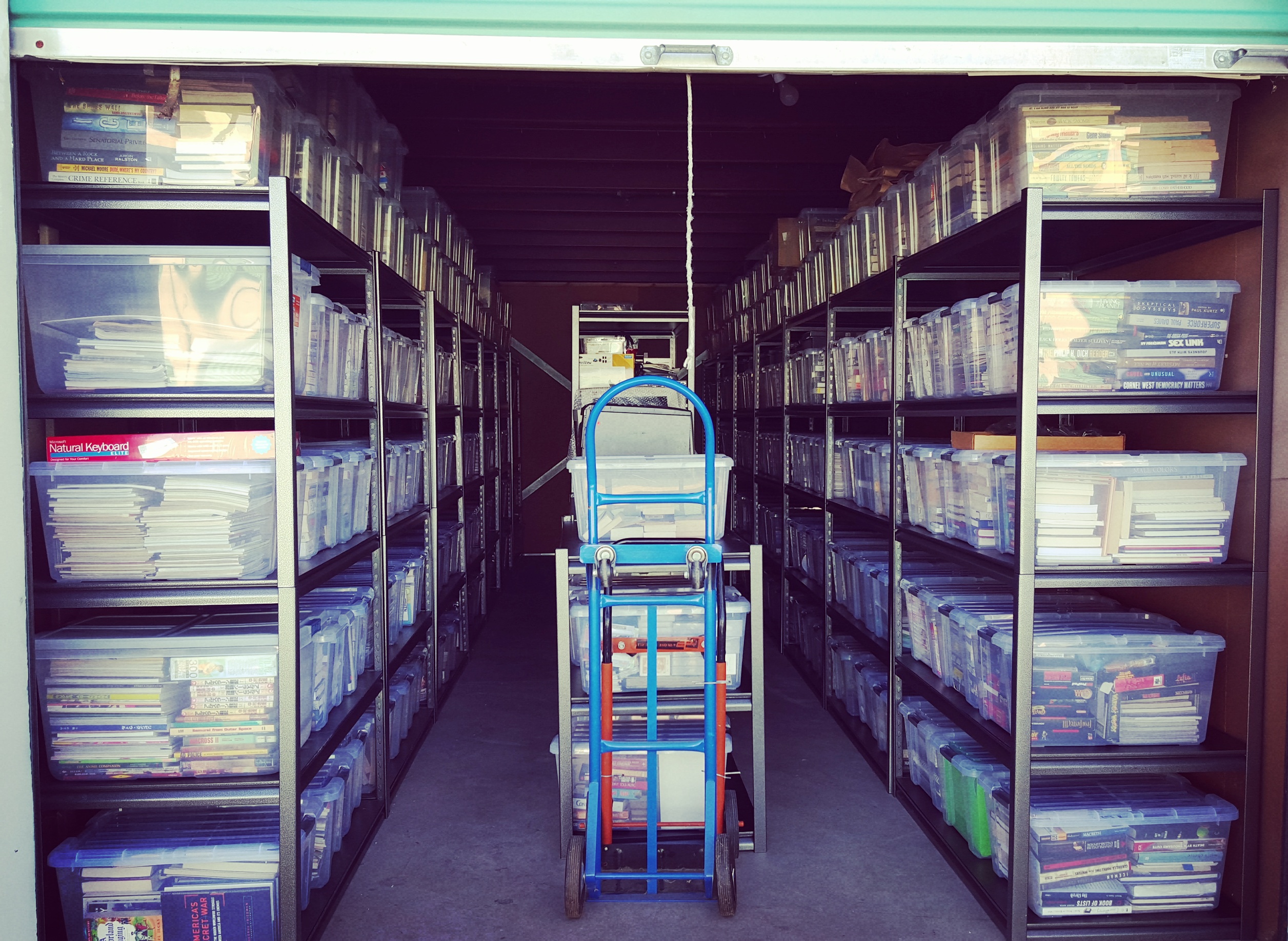
  • Long-term storage – off-site public and private storage units, vaults, pods, etc. that will rarely be accessed
storage_self_professional_organizer_san_francisco_

Here we will focus on downsizing anything stored that is rarely or never used, maximizing space for things you need to keep, and tips to prevent damage to long-term storage and things you love.

Downsizing Tips

Three Steps to Downsize & Minimize Storage

1. Make a declutter plan and stick to it.  Set a solid schedule of purging sessions weekly or monthly (in the home), quarterly or bi-annually (in the garage/attic/basement), and bi-annually or annually (at storage unit). If downsizing in preparation for a move, start the process a few weeks to months before your move date. How far in advance you begin depends on how much free time you have and things you own. Work your way into closets, deep inside cabinets and drawers, under the bed, and through closets and boxes that have been ignored for too long. Pull out what you don’t need/like/use/wear, and place it into a donation/sell/give away box or bag. It’s a good idea to always have this kind of bag or box around the house to remind yourself to declutter. A little weekly and monthly decluttering goes a long way.

2. Let go of the easy stuff first. Leave the time consumers and things you are emotionally attached to for last. For many people the more challenging stuff to tackle is often paperwork, photos, and memorabilia. Put the challenging stuff aside and return to them later, after you deal with easier things and are inspired by the open space to continue moving forward.

3. Recruit a trusted friend. If it’s overwhelming for you to tackle a downsize project on your own, ask for help. Whether you call on a trusted friend, neighbor, or an experienced professional organizer, it’s important that this person have a patient and non-judgmental personality. Downsizing is a team effort. Choose someone you like that will keep you motivated to stay on schedule and moving forward. Bonus points if this person has a truck or van to help haul away donations.

Read more tips on decluttering before a move and how to tell when it is junk.


Tackle downsizing a little at a time for a healthier experience, and learn to become comfortable with the process of letting go…it truly has a lasting effect and higher rate of success in moving toward a clutter-free lifestyle.


Maximize Storage Space: Think Vertically

storage_shelves_professional_organizer_san_francisco
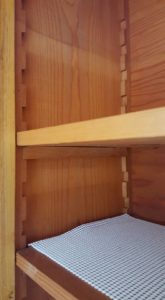
Adjustable, built-in kitchen cabinet shelves.
  • Large, empty walls are valuable real estate. Consider maximizing use of these spaces first when planning built-in and shelf-standing storage shelves, cabinetry, and wardrobe closets.
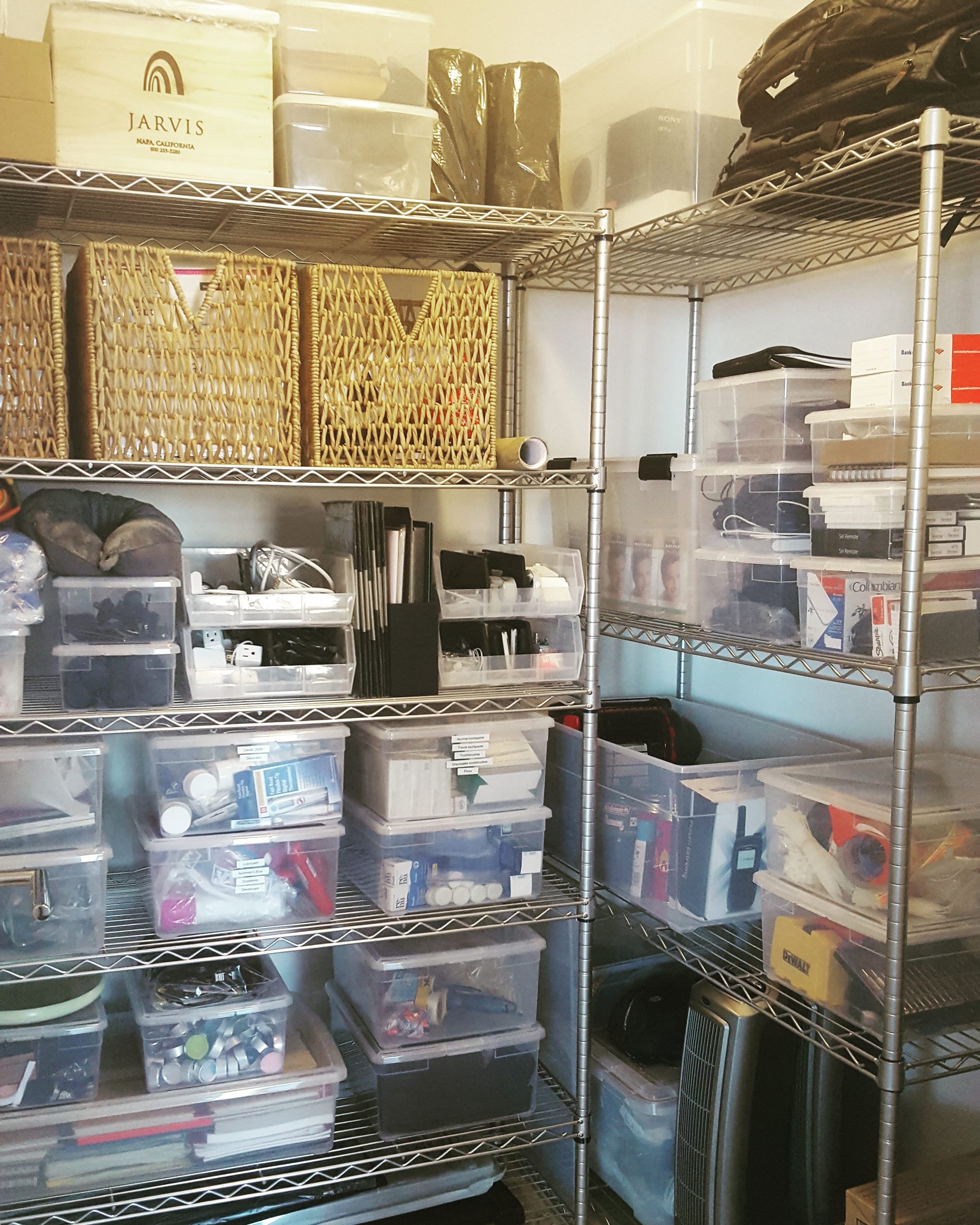
  • Use high quality, sturdy shelf and cabinet systems that don’t damage easily when moving from one home or storage space to another. These will likely be with you for the long-haul, so make sure the shelves are functional and pleasing to have around.
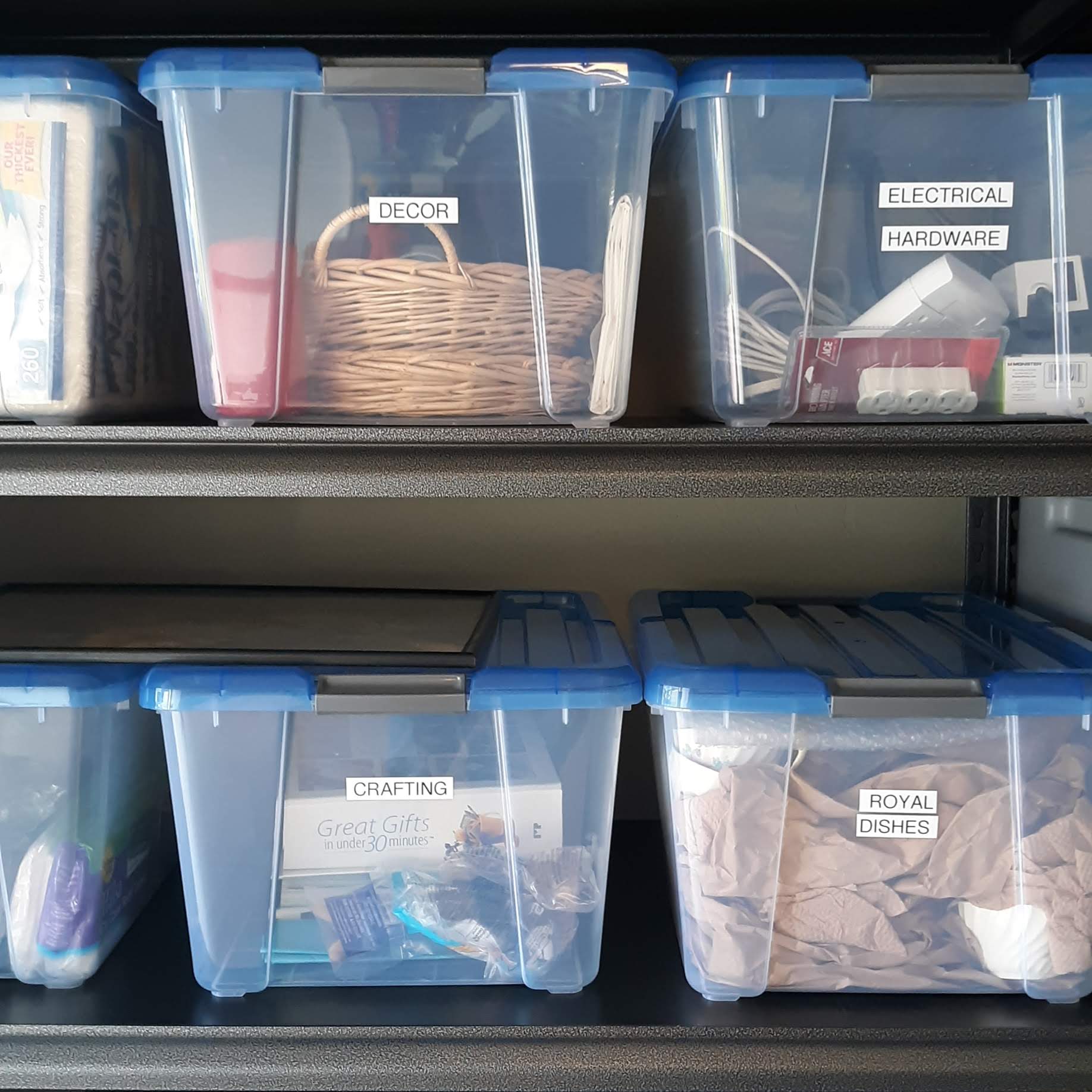
  • Invest in secure bins and containers with flat lids for easy stacking. Make sure water cannot penetrate the base or lid of containers that will be stored in a garage, attic, basement, or off-site storage unit if there happens to be flooding or a leak in the roof, which often happens after a big rain.
  • Adjustable shelving is a life saver – in kitchen cabinets, built-in cabinet systems, bookshelves, garage shelving.
  • Use hooks to hang and suspend items in cabinets, closets, garages, and workspaces.
  • Use shelf risers to maximize space that doesn’t have adjustable shelving. They work great for lots of areas, not just kitchens!
  • Hang dresses, blouses, shirts, and tanks using slim hangers whenever possible. This uses space more efficiently than folding and prevents wrinkled clothing. Fold or use cascading pant/skirt hangers for bottoms. More on hangers here.

Tips for Safe Storage

  • Climate control – At home or in a storage unit, your valuables do best when not exposed to humidity and fluctuating temperatures. Cold, wet weather can create dampness, mold, and rot, and extreme hot temperatures can melt, crack, and warp. Climate-control keeps indoor temperature between 55-85°F year-round, maintains a consistent humidity level, and is a storage necessity’ it’s a heater, air conditioner, humidifier, and dehumidifier all in one. Storing wine? The ideal storage temperature range is between 45° F and 65° F. Read more about wine storage here.
  • Keep a clean Garage/Basement/Attic – Finished (with drywall and insulation) or unfinished (without drywall and insulation), it’s important to keep storage areas dry, dusted, and swept. Clear spiderwebs immediately, and keep things off the floor because rodents and other critters love to nest under piles.
  • Mold and mildew prevention – In addition to temperature-controlled storage, there are homemade and store-bought mold and mildew prevention steps and products such as opening windows more often, using fans and dehumidifiers, and mold and mildew cleaners. Read mold and mildew prevention tips here and how charcoal briquettes can be used to absorb moisture and odor.
  • Wrap and label stored furniture in clean moving blankets. You can use plastic movers wrap (easily found at Uhaul Stores) to secure the blankets into place, but never use plastic to completely cover a piece of furniture for long term storage, as condensation can build up in space with fluctuating temperatures, and cause damage. Blankets also keep your furniture dirt and dust-free, and prevents scratches and damage when stacked in storage.
  • Clean/vacuum rugs, then roll and wrap in heavy paper or canvas cloth. Never fold rugs because permanent creases can result. Never use plastic (such as movers wrap) for long-term storage without temperature control, as this can cause condensation and damage the rug. Rugs need to breathe, especially those made with expensive, natural fibers such as wool. Keep rugs stored off the ground whenever possible to prevent damage from leaks and floor-scurrying critters.
  • Acid-free containers/paper/portfolio binders work great for photos, important paperwork (such as house deeds and birth certificates), and flat artwork (charcoal sketches, watercolor, oils, and acrylics, etc).
  • Cedar balls and blocks protect against moths.
  • Always place a few rodent traps in long-term storage spaces.

Be sure to regularly check on items stored in the garage, attic, basement, shed, or an off-site storage unit in case of leaks and damage, especially during or immediately after a heavy rain or snow storm.

stuff_cure_bella_organizing_storage_professional_organizer

Book Recommendation: The Stuff Cure – a proven method to unstuff your excess, organize what you keep, and regain control of your life.


Bella_Organizing_Best_Professional_Organizers_San_Francisco_Oakland_Berkeley_silicon_valley_monterey

Isabella Guajardo, founder and owner of Bella Organizing, is a San Francisco Bay Area professional organizer offering home organizing and residential packing and move management services throughout the Greater San Francisco Bay Area.

Categories
Professional-Organizer

Week 9 | Facebook Friends | 52 Weeks to Downsize & Minimalize

facebook_friends_delete_downsize_minimalism_declutter_organize_best_professional_organizer_san_francisco_bay_area

Are you or someone you know a collector of Facebook friends? Do you know someone with hundreds or thousands of friends and wonder how they find the time and achieve the personality to be that social? Are you concerned about your online privacy?

In this article we review pros and cons of deleting Facebook friends around the topics of privacy, professionalism, and toxic people, and valuable ways to enhance online relationships with those we choose to remain in our digital lives.

friends_facebook_privacy

Privacy

Pro – If you keep only people you know and trust as Facebook friends, you can feel good hoping that what you post will be respected and kept private. Your real-life friends know you best, and are more likely to support you and not take things you write out of context, even when you’re pouring your soul out onto your wall. Regularly check and adjust Facebook privacy settings if you don’t want everyone knowing everything about your Facebook activity.

Con – The things you let people know can both harm and help you. You can delete a potentially valuable network of people who in the future may offer advice or connections when you are looking for a job, housing, clients, or anything you need an answer to or assistance with.

friends_facebook_professionalism

Professionalism

Pro – Even if you get along with your boss and co-workers, it’s not advised to include them in your personal Facebook community. Unless you rarely post and post nothing that can be considered negative or taken out of context in any way (including photos and shared posts), keep work at work and home at home. People you’re linked to on Facebook can also read what you comment on other people’s posts and see what events you’re interested in whether you attend them or not. You can lose the respect of customers and higher ups for the smallest things; it’s too easy for social media activity to be interpreted in ways you never thought imaginable.

Con – If you delete the people you currently work with and see them at work the next day, bad news, broham…you just made things worse. Consider not adding these people in the first place. You can also start a fresh Facebook page that includes only your most personal friends and family.

friends_facebook_toxic_purge_delete

“You’re the average of the five people you spend the most time with.” — Jim Rohn

Toxic People

Pro – Online or in-person, the people you affiliate with become you, and you become them. Do the 389 Facebook friends you have bring you up, drag you down, or are they okay people to have around? Would it make a difference in your life to delete those responsible for the posts that always make you feel sad, hurt, or upset you in any way? You can “unfollow” them, and avoid seeing their posts all together, but they still have access to yours.

Con – We all experience rough times at some point in life. Venting sadness, frustration, and depression in a healthy way is good, but not everyone is capable of seeing a therapist, exercising it out, writing it down in a journal, or talking privately about their situation to anyone other than their 589 Facebook friends. If you don’t give a potentially toxic person the chance to let you see the non-toxic side of them, you may be giving up too soon. This is your chance to be a shining star in that person’s life, and become more of a friend by listening to their problems and offering positive feedback, and even scheduling time to meeting up with them in person or talk on the phone. Perhaps you’re what they need to help purge the toxicity. If you’re not willing to take the steps to become a better friend, then perhaps it’s time to reconsider your digital connection with this person.

facebook_friends_delete_downsize_minimalize

Three easy ways to enhance personal relationships with Facebook friends

  1. Write positive comments in their posts or on their wall now and again. It’s easy to be self-conscious and take silence as a sign of not being “liked.” If you like someone, let them know with a nice comment now and again. It can be a confidence booster, and will invite them to look your way with a smile. It’s the modern way of sending a holiday card to someone year around. It’s amazing how you suddenly get holiday cards, in the form of Facebook likes and comments, in return.
  2. Send a personal message via Facebook. Liking a post and typing a nice comment is great, and the occasional one-on-one is gold. If you’re not comfortable enough to text or call (assuming you have their cell number), send a private congratulatory, happy birthday, or other positive message via Facebook. Although it can seem uncomfortable (after all, we are living in the day of freaking out when someone knocks on the door or rings the doorbell), it can be a real game-changer toward a deeper personal connection with an online friend.
  3. Invite the people you want to get to know better to real-life Facebook-promoted events. Whether they respond or not is up to them, but the step you take to invite them is your way of taking the initiative to welcome them into your real world. Go even deeper, and send them a personal message about the invite you sent and how nice it would be to see them.

_____

Research suggests that people have trouble maintaining more than 150 real-life friendships at a time. It’s called “Dunbar’s Number” after the Oxford University anthropologist who discovered the phenomenon. Dumbar claims that the number of friendships beyond 150 begins to “strain the cognitive capacity of the human brain.”

Facebook’s own research reflects a similar finding, and has come up with interesting data on the online “friend” phenomena. Watch this 15-minute Ted Talk for more juicy research tidbits..

Bella_Organizing_Best_Professional_Organizers_San_Francisco_Oakland_Berkeley_silicon_valley_montereyIsabella Guajardo, founder and owner of Bella Organizing, is a San Francisco Bay Area professional organizer offering home organizing, interior redesign, and residential move management services throughout the Greater San Francisco Bay Area. Call (510) 229-7321 or email info@bellaorganizing.com for more information. Gift certificates are available.

Follow our projects on: Facebook | TwitterInstagram | Houzz

Counties we serve:

Alameda | Contra Costa | San Francisco | Marin | Sonoma | Napa | Santa Clara | San Mateo | Santa Cruz | Monterey