Categories
Professional-Organizer

How To Develop A Family Technology Policy At Home

This weekend I attended the National Association of Professional Organizers (NAPO) conference for our San Francisco Bay Area Chapter. The Annual NAPO-SFBA regional conference is an opportunity for members and those interested in becoming a professional organizer to network, learn innovative ways to organize, and discover new products and services to help our clients and their families stay clutter-free and productive.

Keynote speaker Judith Kolberg, a world-renown productivity specialist, had lots of tips and information. The following is a sample list of family technology policies for the home she shared with us to share with you:


Family Technology Policies:

  • No devices at the dinner table or church
  • No texting in front of grandma
  • Lights out means no devices
  • No devices within 10 feet of water (bathtub, swimming pool, a drink on a table, etc.)
  • No tech zone in the house should be observed

What family technology policies would you implement at your home? What would be your rewards for compliance or consequences for non-compliance?

For more about Judith Kolberg and putting together a Family Technology Policy, visit http://fileheads.net/2013/09/how-to-develop-a-family-technology-policy/

For more about the National Association of Professional Organizers – San Francisco Bay Area Chapter (NAPO-SFBA) and the conference, visit: https://naposfbac.memberclicks.net/regional-conference – Hope to see you at our 2015 conference! (Location TBA)

 Judith Kolberg founded FileHeads Professional Organizers in 1989, the National Study Group on Chronic Disorganization, and the Institute for Challenging Disorganization (ICD). She is credited with launching a field of professional organizing dedicated to helping individuals challenged by chronic disorganization. Judith is the author of several books including Conquering Chronic Disorganization, which are required reading for industry certification programs (over a quarter million copies sold). She is a popular speaker and a featured organizer on the “Buried Alive” hoarding series. A native of New York, Judith lives in Atlanta, GA where she takes care of her mom, sees clients, writes, and publishes.
Categories
Professional-Organizer

How Do You Celebrate the Undead?

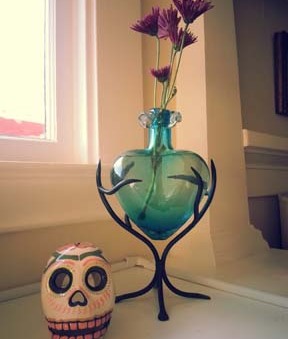
In our house, October means bringing out the sugar skull decor, devil masks, and musical instruments. We celebrate Dia de Los Muertos.

What is Dia de Los Muertos?

Dia de Los Muertos means “Day of the Dead,” a traditionally Mexican holiday observed throughout Mexico and around the world in other cultures. The holiday focuses on gatherings of family and friends to pray for, remember, and celebrate the lives of friends and family members who have died. The celebrations include food, drink, dancing, and fun activities. Dia de los Muertos recognizes death as a natural part of the human experience. On this day, the dead are part of the community, awakened from eternal sleep to share celebrations with loved ones.

A popular symbol of Dia de los Muertos is the calacas and calaveras (skulls and skeletons). They are displayed in candy, pan dulce (sweet bread,) as masks, and dolls. Calacas and calaveras are usually portrayed wearing fancy clothes, dancing, and enjoying life.

Dia de Los Muertos is celebrated on November 1 & 2, just after Halloween.


holiday-organizing-devil-5x4
Bone-chilling skeletons and paper mache devil masks

Experience Dia de Los Muertos this year at one of the many family-friendly celebrations going on throughout the San Francisco Bay to Monterey.  Sugar skull making, food, art, music, fire dancing, and more.

East Bay

Berkeley: http://www.anotherbullwinkelshow.com/day-of-dead/

Oakland: http://museumca.org/exhibit/songs-and-sorrows

Richmond: http://richmondartcenter.org/events/skeletonfest/

San Leandro: http://www.balletfolkloricomexicano.org/dia-de-los-muertos-2014.html


holiday-organizing-candles-5x4
Dia de Los Muertos candles


San Francisco

http://www.dayofthedeadsf.org/

http://www.somarts.org/exhibitions/day-of-the-dead/

https://deyoung.famsf.org/calendar/friday-nights-de-young-dia-de-los-muertos-presented-partnership-mexican-museum

http://www.missionculturalcenter.org/

http://www.sfsymphony.org/Buy-Tickets/2014-2015/Dia-de-los-Muertos-Community-Concert.aspx


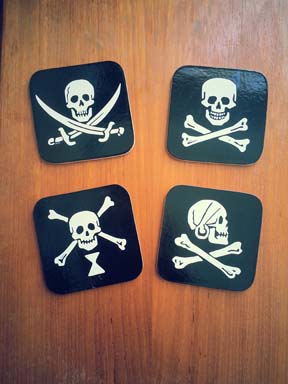
holiday-organizing-coasters-45
Coasters for Dia de Los Muertos cocktails


North Bay

Petaluma: https://petalumaartscenter.org/el-dia-de-los-muertos-petaluma-2014/

San Rafael: http://www.dayofthedeadsr.org/


South Bay

San Jose: http://sjmusart.org/event/community-day-el-dia-de-los-muertos-2

5th Annual Día de Los Muertos (Day of the Dead) Celebration

Santa Cruz: http://www.santacruzmah.org/event/dia-de-los-muertos-community-festival-2/


holiday-organizing-maracas-4x5
Musical instruments – Skull maracas ready and waiting to be shaken


San Juan Bautista

http://www.elteatrocampesino.com/Season/muertos.html

Monterey

November’s Indy Marketplace Celebrates Día de los Muertos with Fire Dancers and Hula Hoops

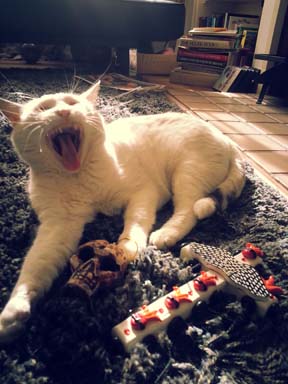
holiday-organizing-cat-4x5
My cat Peaches. She’s fierce upon wakening.


Isabella Guajardo, also known as Girl With A Truck™, is a San Francisco Bay Area professional home organizer and member of the National Association of Professional Organizers (NAPO). She shares simple and creative ways to stay organized and stylish while reducing, recycling and re-purposing. Join Bella Organizing on Facebook.

READ MORE BELLA ORGANIZING BLOG ARTICLES HERE.

Categories
Professional-Organizer

Organic Rhubarb Pie Recipe – Quick & Easy

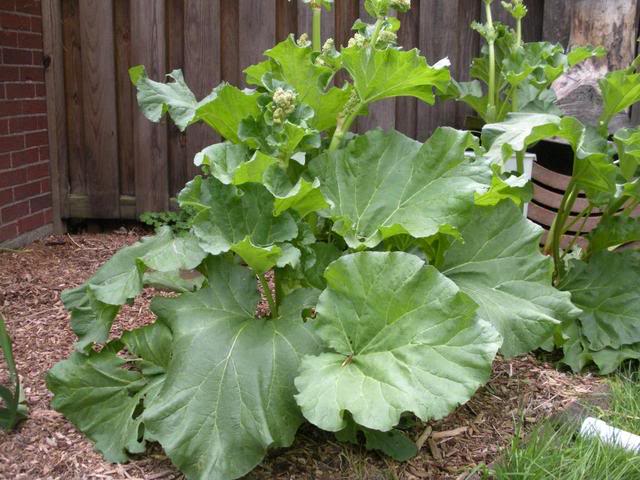
I enjoy baking homemade pie with organic rhubarb from my garden. Try my quick & easy recipe and share with friends. So GOOD!

Rhubarb Pie Recipe

5-6 cups chopped red or green rhubarb stalk (3/4″ crossway cut – from your garden or grocery store)
1 cup sugar*
6 tablespoons all-purpose flour
1 recipe pastry for a 9 inch double crust pie**
 
* I use organic turbinado raw cane because it’s vegan, but plain sugar will do
** It should make enough for a bottom and top crust. Many recipes are available online or buy pre-made from a store – Trader Joe’s carries them.

Directions:

Preheat oven to 450 degrees F (230 degrees C).
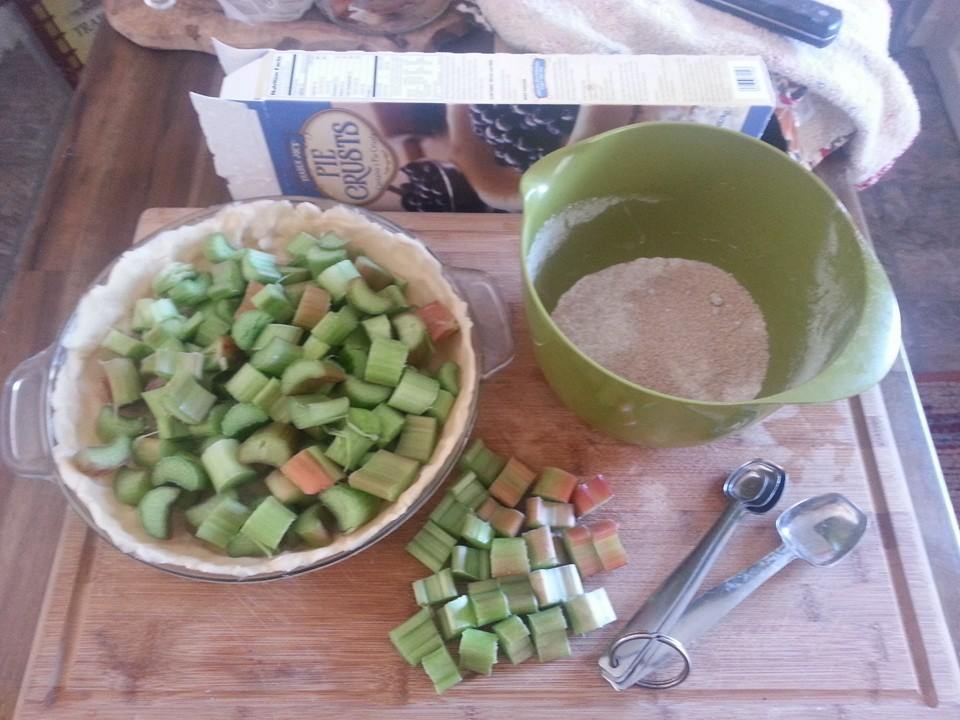
Combine sugar and flour. Sprinkle 1/4 of it over pastry in pie plate. Heap rhubarb over this mixture. Sprinkle with remaining sugar and flour. Cover with top crust.

Place pie on lowest rack in oven. Bake for 15 minutes. Reduce oven temperature to 350 degrees F (175 degrees C), and continue baking 40-45 minutes until golden brown. Cover crust with foil if it starts to get too brown while baking. Serve warm or cold.

raw-pit green-pie chopped-pie rhubarb

Isabella Guajardo, also known as Girl With A Truck™, is a San Francisco Bay Area professional home organizer and member of the National Association of Professional Organizers (NAPO). She shares simple and creative ways to stay organized while reducing, recycling and re-purposing. Join Bella Organizing on Facebook.

Categories
Professional-Organizer

How To Handle A Child’s Toy Clutter

As a professional organizer I get questions from parents on ways to get their children to let go of outgrown and excess books & toys. No one wants to traumatize their child by giving away something he or she loves and adores.

In my ongoing search for the latest and greatest research and information to answer these kind of questions, I attended an “Ages and Stages in Early Childhood Development” workshop Jewish Community Center (JCC) in Berkeley. The workshop focused on children ages 2-6, and is one of a series of monthly Free Parenting Workshops at the JCC going on now through Spring 2015.

I gathered a lot of updated information, and had the opportunity to ask plenty of important questions that parents ask me. The following is a synopsis.

Can’t get your kid to pay attention when asking him/her to clean her room? Get this!

There are 3 types of attention:

1)   To danger – Children pay attention to danger from infancy & up

2)   Only to their own interests age 2,3, and mostly by age 4

3)   Children put attention to where someone else (mom and dad) wants it by age 7 & 8. They are more capable of paying attention to what you want and say by this age than any other. If attention is a problem after age 8, an attention deficit evaluation is suggested.

The 2-year old

  • The average 2-year old has recognition but not recall. This means that when mom is gone and out of the room, she is gone, even if there a second ago. That’s why children this young get fussy…they don’t recall who was just there or what happened. A good age to gather up and stash away or donate half of the toys and books cluttering up the room? Hmm…
  • At this age kids get stuck in routine, and will get upset if you skip something they usually do. Children make sense of things by sequence. When you throw the sequence off, it annoys them. Routine is important. This is a good time to make it a daily routine of helping your child put toys away when playtime is over.

The 4-year old

  • At this age, many kids start to give up on things that are hard for them to do (such as put away clothes and toys). This is an important time to take action and support them in practicing to get better at it. Teamwork works wonders at any age!
  • When kids don’t listen, it’s a GOOD sign of neurological development happening. They need to screen things out to avoid emotional overload. Children are all or nothing thinkers at this age; things are either all good or all bad. They cannot find balance between the two yet, and is why mood swings occur. Complex concepts don’t often start until age 8. At age 4 it may be futile to try and rationalize to them as to WHY they need to clean and organize their room.
  • A child becomes interested in problem solving at age 4. This is a good time to have weekly family meetings that include the child. Introduce him/her to making a calendar of things to do together for the week that will solve common issues around the house, such as a messy room. Have the child come up with creative solutions to the problem, then make a schedule and routine that YOU will help her implement and maintain on a regular basis.
  • Ask, don’t “tell” the rules. Ask the child to do something you want them to do. If you want him to put his toys away before bed, ask “what do you have to do to get ready for bed?” If you created a schedule and routine together, he should know exactly what needs to be done, whether it’s put on his pajamas, brush his teeth, or put away toys. When they get it done, a little praise goes a long way. “Good job! High five!”
  • Fibbers: when lying, a child is simply trying to be the person you want her to be. Don’t give a child the chance to lie; if you see a problem – such as toys that still haven’t been picked up – fix it together. Yay teamwork!

*** Temper Tantrum Intermission ***

  • If a child gets upset and fussy because she doesn’t want to pick up her things, focus on validating the child’s feelings at the moment they are upset with kind words such as “You must be upset about putting away your toys. How can I help you so that we get this done together?”

The 6-year old

  • Managing praise – At this stage they begin to measure themselves by what they see around them. They start to discount praise, so ask what they think about how they did, such as when they successfully put away their clothes or toys.


Q& A with the Workshop Presenter

Question: At what age are kids more likely to be able to clean up on their own?

Answer:   Not 4 years old because they are still self-centered. You have to help them and make it fun and interesting. Clean up with them ages 2-5.

Question: At what point is it easier to get them to give up toys without being hurt by it?

Answer:   3-5 year olds forget what’s important to them, which can include toys. A 2-year old won’t care to lose toys, a 6-year old may start to miss them.

Ways to PREVENT and TAKE ACTION on toy clutter:

  • When working with a child to declutter toys and books, tell him/her about places they can donate to kids in need, such as homeless shelters or during toy drives. Pick a place to donate to together and follow through with it.
  • At your child’s next birthday party, make a themed gift donation box that everyone attending knows about in advance. Gifts received will go directly to charity, such as school supplies to a classroom in need.
  • Put excess toys into bins and stash in the garage for 3 months. What the child remembers and asks for, bring out. What they forget, donate.
  • Kids get overwhelmed by choice. Don’t try to get them to make decisions about what to keep and what to donate but for a few things at any given time.
  • What we hold off as a reward is what kids are more motivated toward. Find creative ways to get your child to let go of excess toys once in a while, such as making it a house rule during the weekly family meeting to only allow in a new toy or book if one or two goes out.  
Helen_Neville
Helen Neville

The Ages and Stages in Early Childhood Development workshop is led by Helen Neville, a pediatric advice nurse at Kaiser Permanente for 35 years. She is a specialist in inborn temperament and the author of Is this a Phase? Child Development, Parent Strategies Birth to 6 Years, and other books on temperament, sleep, and potty training. For more information, visit her website: http://www.temperamenttools.com/index.html

For information about upcoming JCC events & workshops, visit their website.

Isabella Guajardo, also known as Girl With A Truck™, is a San Francisco Bay Area professional home organizer and member of the National Association of Productivity and Organizing Professionals (NAPO). She shares simple and creative ways to stay organized while reducing, recycling and re-purposing. 

Categories
Professional-Organizer

How To Sell Your Items at Auction

When I work with clients to declutter their homes, we often uncover valuable treasures worth selling. There are many ways to make money from unwanted items: Craiglist, Ebay, Amazon, consignment stores, garage sales, etc. But not everyone feels comfortable inviting strangers from Craigslist to their home, nor getting offers of only 25 cents at a garage sale for a beloved treasure worth so much more. Selling things online requires time to open an account, read all directions to make sure you are going through the process correctly, take photos, post a detailed description of the item, store it, then pack and ship (when and if it sells). For some these steps are exciting and managable, for others it takes too much of their valuable time.

Have you considered having your valuables sold to the highest bidder at a live auction house? It can be done at Michaan’s Auctions in Alameda CA. If you have 1-5 items, there are easy steps to follow:

Step One: Have your item(s) appraised in one of three ways:

  • Attend a weekly Michann’s appraisal event. They currently take place every Wednesday 10am-1pm. Specialists offer evaluations for up to 5 pieces. Appraisals are held in the main gallery on a drop-in basis. No appointment is needed.
  • Schedule a private appointment by calling (510) 740-0220 ext. 130
  • Submit a photo of the item online at http://www.michaans.com or snail mail the images to their mailing address below.

Step Two: Sell your items

  • A consignment contract will be provided which outlines the terms of the sale.
  • After consigning you will receive a list of property descriptions and scheduled dates of sale
  • Before property goes to auction you can also set a confidential minimum selling price known as a “reserve.”

Step Three: After the auction

  • A statement will be mailed to you detailing what items were sold as well as their selling price.
  • In six weeks you will receive a check for your sold items.

Michann’s provides onsite assessments by advance appointment when you have A LOT of valuables to sell. They serve the San Francisco Bay Area to the Monterey Peninsula. For more information, give them a call or visit their website http://www.michaans.com

michann's


Michann’s – 2751 Todd Street, Alameda CA 94501 (510) 740-0220

Source: “Michaan’s Auction how to Sell at Auction.” Montclarion (Oakland, CA) 13 March 2014: 405. A5. Print.

Isabella Guajardo of Bella Organizing is a San Francisco Bay Area professional home organizer and member of the National Association of Professional Organizers (NAPO). She shares simple and creative ways to stay organized and stylish while reducing, recycling and re-purposing. Join Bella Organizing on Facebook.